New Mexico Gila Wilderness Access Points
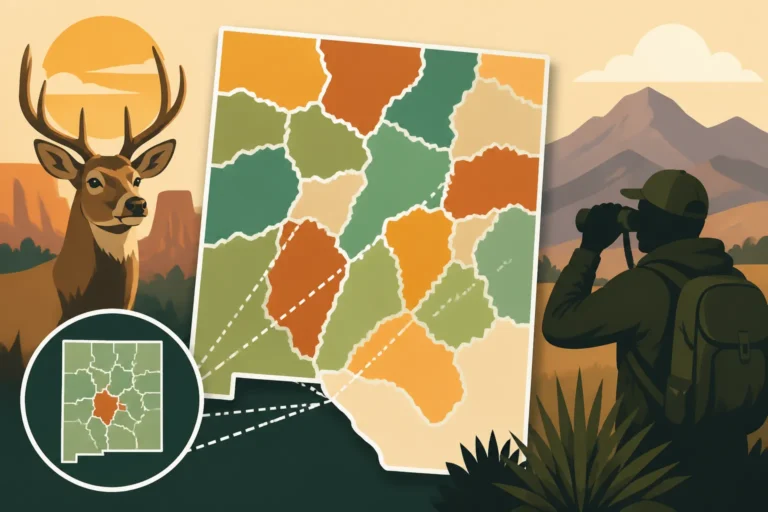
Let's be honest, staring at a map of the Gila Wilderness can feel like looking at an endless sea of green and brown, with faint lines that barely hint at a way in. It's a vast, formidable landscape, and figuring out where to even begin your journey into its depths, whether for hunting or just exploring, can be a major headache. This guide is here to demystify those daunting maps and walk you through the practical access points, helping you plan your next New Mexico adventure with confidence.
Understanding the Gila Wilderness and Its Scale
The Gila Wilderness isn't just a big chunk of public land; it's a legendary expanse that holds a special place in the hearts of many New Mexico hunters and outdoor enthusiasts. It's truly a unique beast, and understanding its character is the first step to unlocking its secrets.
What Makes the Gila Wilderness Unique
First off, let's talk about scale. The Gila Wilderness was established in 1924 as the world's first designated wilderness area, thanks to the foresight of Aldo Leopold. This isn't just a pretty name; it means this incredible place is managed to preserve its primeval character, largely untouched by modern machinery. We're talking about millions of acres where motorized vehicles are strictly prohibited, creating an environment of profound solitude and rugged challenge. The sheer size of it, encompassing rugged mountains, deep canyons carved by the Gila River and its tributaries, and vast stands of ponderosa pine and mixed conifer forests, means that simply finding your way around requires serious preparation.
For hunters, especially those chasing elk, the Gila's reputation precedes it. It's the kind of country that grows big bulls and tests even the most seasoned outdoorsmen. The wilderness status means no roads to drive down to spot game, no ATVs to pack out a bull. It’s all foot traffic, or stock if you're lucky enough to have it. This makes every successful hunt earned through sweat, grit, and a deep understanding of the land. It's not for the faint of heart, but the rewards—the quiet moments, the immense beauty, and the satisfaction of a hard-won harvest—are beyond compare. It's truly The Gila National Forest as New Mexico Elk Country.
Navigating Wilderness Regulations
Stepping into the Gila Wilderness means stepping into a place with a distinct set of rules, designed specifically to maintain its wild character. The most important one to remember is the absolute prohibition of motorized and mechanized vehicles. That means no ATVs, no dirt bikes, no mountain bikes, and certainly no trucks past the designated trailheads. Your mode of transport once you cross that wilderness boundary is your own two feet, or a trusty horse or mule.
Beyond travel, it’s all about adhering to Leave No Trace principles. Pack out everything you pack in, and then some. Bury human waste properly, minimize campfire impacts, and leave natural objects as you found them. While specific permits aren't usually required for general day-use hiking or hunting within the Gila Wilderness, it's always wise to double-check the current regulations from the Forest Service or New Mexico Department of Game and Fish, especially if you plan on extended stays or special activities. Understanding these rules isn't just about avoiding fines; it's about respecting the very essence of what makes the Gila so special.
Primary Road-Based Entry Points
While the Gila Wilderness itself is roadless, getting to the wilderness boundary almost always involves some driving. Knowing the main arteries that lead to various access points is crucial for planning your approach.
Accessing the Wilderness from Silver City Area
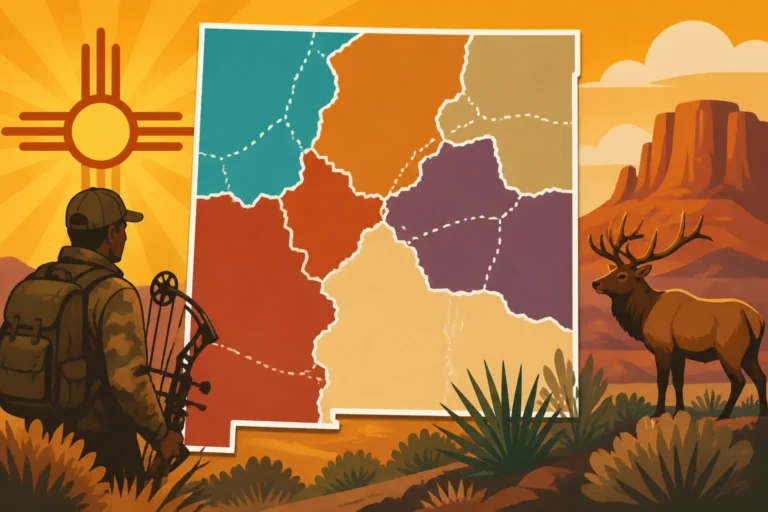
For many, Silver City serves as the gateway to the southern and central Gila. Highway 15, often referred to as the "Trail of the Mountain Spirits Scenic Byway," is the primary route into a significant portion of the Gila National Forest, eventually leading to some of the most popular wilderness trailheads. This road, winding and often steep, takes you through stunning scenery and past small communities like Pinos Altos and Gila Hot Springs. From this direction, you're looking at units like 15, 16A, and 16D, which are famously rugged and offer incredible hunting opportunities.
However, a word of caution: Highway 15 can be challenging, especially in adverse weather. It’s narrow, has numerous switchbacks, and can become treacherous with snow or heavy rains. Always check conditions before heading out, particularly if you’re driving a larger truck with a trailer. Once you get off the main highway, many forest roads are unpaved and can range from well-maintained gravel to deeply rutted, high-clearance-only tracks. These roads serve as the arteries to many of the Gila's Trailheads That Open the Gila Wilderness, leading to places where your real journey into the backcountry begins. It's a commitment just to get to the starting line, but that's part of the Gila's allure.
Northern Approaches from Reserve/Luna Area
If you're looking at the northern sections of the Gila Wilderness, communities like Reserve and Luna become your strategic starting points. From Reserve, State Highway 12 and other forest roads branch off, leading you into the northern reaches of the Gila National Forest and eventually the wilderness boundaries. This area often grants access to units like 16E, 17, and parts of the more remote sections. The terrain here can be just as rugged as the south, but with perhaps different forest types and slightly higher elevations in some areas.
These northern access points are often a bit more spread out, and the roads can feel even more isolated. It's not uncommon to drive for miles on dirt roads without seeing another soul. This is where a robust map application like onX Hunt becomes invaluable for understanding public land boundaries and road networks, especially as cell service quickly fades. You'll want to have all your maps downloaded offline, trust me on that one. This side of the Gila can offer fantastic opportunities for solitude and some truly wild experiences, but it also demands a higher level of self-sufficiency.
Eastern Flanks and Less Traveled Routes
The eastern side of the Gila Wilderness presents a different character and often fewer well-traveled access points compared to the north or south. Routes originating from areas closer to Truth or Consequences or Winston might lead you into units like 17 or the eastern edge of the Aldo Leopold Wilderness, which borders the Gila. These eastern approaches tend to be even more remote, often involving longer drives on less maintained forest roads.
For the hunter seeking ultimate solitude or exploring lesser-known areas, these eastern routes can be incredibly rewarding. They typically see less pressure, but they also require even more diligent scouting and preparation. You might find yourself navigating through pinion-juniper country before climbing into the more traditional Gila timber. This is where E-Scouting a New Mexico Unit Before the Season truly shines, allowing you to identify potential access roads, parking areas, and drainages that might offer a quieter entry into the wilderness. Remember, "less traveled" usually means "more challenging" in the Gila, but for many of us, that's exactly the point.
Key Trailheads and Their Characteristics
Once you’ve navigated the roads, the real adventure begins at the trailheads. These are the literal gateways into the Gila Wilderness, and they vary significantly in what they offer and the kind of journey they initiate.
Major Trailheads for Multi-Day Trips
Certain trailheads are renowned for providing direct access to the deeper wilderness, making them ideal starting points for multi-day hunting trips or extensive backpacking excursions. These are often well-marked, might have small parking areas, and occasionally even a pit toilet, though don't count on much more. Examples include the Mogollon Box or Turkey Creek trailheads on the western side, or perhaps those leading into the Middle Fork of the Gila on the eastern end. From these points, you're looking at a serious commitment. You'll be packing in everything you need for several days, possibly even a week or more.
The trails from these major access points often follow old game trails, river beds, or historical routes, sometimes gaining significant elevation or dropping into deep canyons. Expect rugged terrain, potentially difficult creek crossings, and trails that can become faint or overgrown in sections. These are the places where you feel the immensity of the Gila immediately. They are where you'll begin Packing an Elk Out of the Gila Alone – a thought that can humble any hunter before they even start their ascent. Your vehicle will be left for days, sometimes more than a week, so security and reliability are paramount.
Day-Use Access Points and Shorter Loops
Not every trip into the Gila has to be an epic, week-long expedition. There are trailheads and access points that lend themselves better to shorter, day-long incursions, or even just a quick scouting trip. These might be closer to primary roads or less demanding in terms of immediate elevation gain. They are excellent for those looking to explore, glass a basin, or conduct focused scouting without the full commitment of a multi-day pack trip.
These shorter access points are valuable for learning the terrain, identifying game trails, and understanding the local thermals and wind patterns, which is critical for successful hunting, especially when Reading Wind in a Deep Gila Canyon. While you might not penetrate miles deep into the wilderness, these areas still offer a taste of the Gila's wildness. Just remember, even on a day trip, the Gila demands respect. Carry enough water, a first-aid kit, and always let someone know your plans, because cell service is a rare luxury out there. These are often good spots to hit up during the 14-Day Scouting Window on Trust Land if you have a tag for a wilderness unit.
Water Sources Near Access Points
Water, or the lack thereof, is perhaps the single most critical factor when planning any trip into the Gila, especially for hunters who need to stay hydrated and potentially cool game meat. Knowing where reliable water sources are located near your chosen access point can make or break your trip. Many trailheads, particularly those along rivers like the Gila or its forks, offer immediate water access, though purification is always necessary.
Further from the main river systems, water becomes more scarce. You might find seasonal springs, seeps, or stock tanks. However, these are never guaranteed, especially during dry spells or late in the season. Always check recent reports or call the Forest Service for current water conditions. If in doubt, plan to carry more water than you think you’ll need. Water is heavy, but dehydration in the Gila can be deadly serious. Tools like onX Hunt often have public land layers that can help identify potential water sources, but ground-truthing or checking satellite imagery from GoHunt is always a good idea, as some of these features can be ephemeral.
Planning Your Wilderness Incursion
The Gila isn't a place you just show up to with a loose plan. Thoughtful preparation is paramount for both success and safety.
Mapping and Navigation Tools
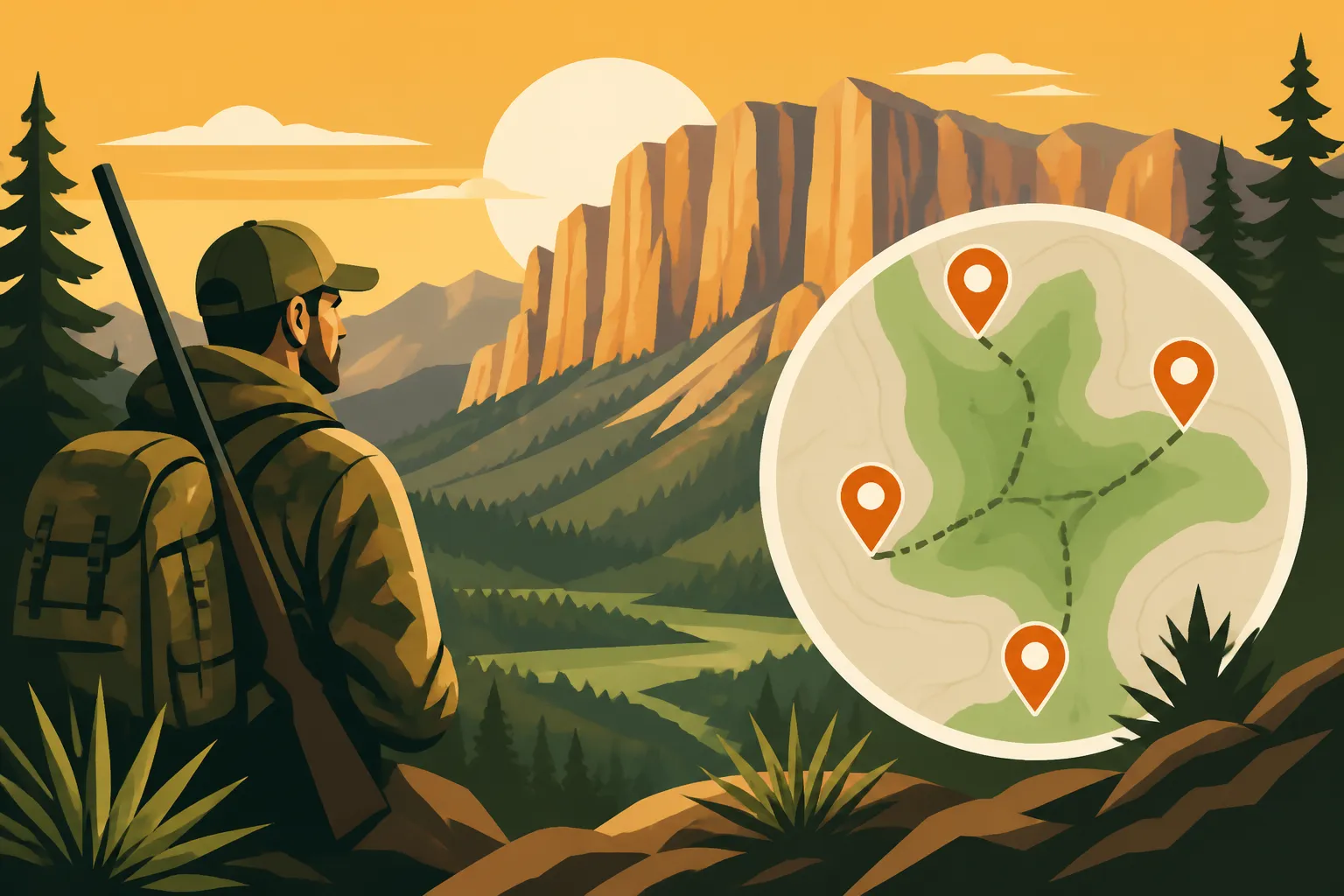
Once you’re past the pavement, reliable navigation becomes your best friend. Modern technology has truly revolutionized backcountry travel, but it's important to use it wisely. Applications like onX Hunt and GoHunt are indispensable. They allow you to download detailed topographical maps and land ownership layers directly to your phone, giving you precise location data even without cell service. You can mark waypoints, track your movements, and see unit boundaries clearly defined. This is infinitely better than squinting at a paper map trying to guess your position.
However, never rely solely on electronics. Batteries die, devices get lost or broken. Always carry physical, waterproof maps of your unit, along with a compass, and know how to use them. A satellite communication device, like a Garmin inReach or Zoleo, is also a non-negotiable for deeper forays into the Gila, allowing you to send messages and, more importantly, trigger an SOS in an emergency. Preparing for a Gila hunt means understanding that you will almost certainly be out of cell service, and you need to be self-sufficient in finding your way.
Physical and Mental Preparation
The Gila is not a stroll in the park; it's a physical challenge that will test your limits. Whether you're hunting high elevations or deep canyons, you'll be covering rugged, often steep terrain, sometimes with a heavy pack. Preparing Physically for a High Elevation Hunt isn't just a good idea; it's a necessity. Start a fitness regimen months in advance, focusing on cardio, strength training, and especially hiking with a loaded pack. Those Gila miles with a heavy rifle and a day pack will feel a lot longer if you haven't put in the work beforehand.
Beyond the physical, the mental game is equally important. The Gila can be isolating. You might not see another person for days. Be prepared for solitude, for unexpected challenges, and for the sheer effort required. Develop a strong mental fortitude, practice problem-solving, and foster a realistic expectation of what the wilderness demands. Having a solid first-aid kit and knowing how to use it, along with an emergency plan, will also boost your confidence and readiness.
Respecting the Wilderness and Wildlife
Our presence in the Gila is a privilege, and with that comes a profound responsibility to respect the land and its inhabitants. For hunters, this means not only following all game laws and regulations but also practicing ethical hunting. This includes making clean shots, recovering animals promptly, and understanding The Meat Salvage Requirements for Big Game in New Mexico. No one wants to waste precious game meat in that country.
Beyond the hunt, it's about minimizing your impact. Pack out all trash, including food scraps. If you build a fire (check for fire restrictions first!), ensure it's completely out before leaving. Camp in durable locations, away from water sources, and leave no trace of your presence. Respecting the wildlife means giving them space, not harassing them, and understanding their habitat needs. It’s about being a steward of the land, ensuring that the Gila remains wild and pristine for future generations of hunters and adventurers.
Challenges and Considerations for Gila Access
The Gila, as magnificent as it is, presents a unique set of challenges that every visitor, especially hunters, must be aware of and prepare for. Ignoring these can turn a dream hunt into a nightmare.
Seasonal Road Closures and Weather Impacts
One of the biggest variables for accessing the Gila is the weather, and how it impacts roads. New Mexico's monsoon season, typically from July through September, can bring torrential downpours that quickly turn dry washes into raging rivers and dirt roads into impassable mud pits. Monsoon Road Conditions in the Gila can strand vehicles for days, or worse, make roads utterly impassable. Always check weather forecasts and road conditions with the local Forest Service office before venturing into the backcountry during this time.
Similarly, winter can bring significant snowfall to the higher elevations, leading to seasonal road closures that can block access to many trailheads well into spring. Even if a road isn't officially closed, icy conditions can make travel extremely hazardous. Don't assume that because a map shows a road, it will be open or passable year-round. Always have a backup plan for access, and be prepared to hike extra miles if a road is unexpectedly closed.
Water Availability and Drought Conditions
As mentioned before, water is a constant concern in New Mexico, and the Gila is no exception. While major rivers like the Gila and its forks provide consistent water, many of the smaller creeks, springs, and seeps can dry up completely during prolonged drought periods or late in the season. You cannot assume a water source marked on a map will be flowing.
Carrying sufficient water for your entire trip is often the safest bet, even if it means extra weight. For multi-day trips, this can mean strategically caching water or planning your route meticulously around known, reliable sources, and always carrying a high-quality water filter or purification tablets. Failure to properly account for water can lead to serious health risks in the remote Gila. Knowing how much Water You Must Carry on a Desert Day Hunt is important even for day trips, let alone multi-day expeditions.
Dealing with Isolation and Emergencies
The Gila Wilderness is vast and remote, which means help is often hours, if not days, away. Cell phone service is practically nonexistent once you leave major arteries, so don't count on it for navigation or emergency calls. This isolation is a major part of the Gila's appeal for many, but it also elevates the importance of self-reliance and preparedness.
Always inform a trusted person of your detailed itinerary, including your entry and exit points, intended route, and expected return time. Carry a satellite communication device for emergencies. Know basic wilderness first aid, and pack essential survival gear. If an emergency arises, remain calm, assess the situation, and make conservative decisions. Remember, in the Gila, you are ultimately responsible for your own safety.
| Access Type | Effort Level | Solitude Potential | Vehicle Access | Recommended Gear |
|---|---|---|---|---|
| Roadside Hike-In | Moderate | Low to Medium | High Clearance | Day pack, water filter, GPS, downloaded maps |
| Major Trailhead Pack | High | Medium to High | High Clearance | Backpack, tent, extensive food/water, sat comms |
| Backcountry Drop Camp | Very High | Very High | Horse/Mule | Specialized hunting gear, stock, experienced outfitter |
Utilizing Outfitters and Specialized Access
For some, the sheer scale and ruggedness of the Gila present a formidable barrier. This is where professional outfitters can dramatically change your access strategy.
Horseback and Pack String Outfitters
Many seasoned hunters and those new to the Gila turn to horseback and pack string outfitters as their preferred method of access. These experienced professionals have the knowledge, the stock, and the logistical capability to get you and your gear deep into the wilderness, often to areas that would be impossibly difficult or time-consuming to reach on foot. They navigate treacherous trails, cross rivers, and scale mountains with ease, saving you immense physical effort and allowing you to hunt fresher once you arrive.
An outfitter can take you to remote camps, help with scouting, and provide invaluable guidance on the terrain and game movement. This type of access is especially beneficial for multi-day elk hunts where you plan to be miles from any road. When you consider Why New Mexico Gila Country Is Hard to Hunt Alone, the value of an outfitter with a string of reliable horses becomes incredibly clear. They are an investment, but for many, they are the key to unlocking the Gila's true potential.
Drop Camps as a Strategic Option
A popular service offered by many Gila outfitters is the "drop camp." This is an excellent option for hunters who want to experience the deep wilderness but prefer to hunt independently once they're there. The outfitter will pack you, your gear, and your supplies into a pre-arranged camp location, usually several miles from the nearest trailhead. They'll set up a basic camp for you, then leave you for the duration of your hunt, returning on a pre-determined date to pack you and your harvest out.
Drop camps offer a significant advantage by allowing you to focus purely on hunting without the exhausting trek in and out, or the complexities of managing a full pack string yourself. It's a strategic middle ground between a fully guided hunt and a DIY foot hunt. You still need to be self-sufficient in the wilderness, capable of navigation, cooking, and handling any game you harvest, but the logistical burden of getting there is greatly reduced. For those looking for an immersive experience without the full-service guide, a What a New Mexico Drop Camp Actually Includes can be a game-changer for Gila access.
Disclaimer
This article is for general informational purposes only and does not constitute professional advice. Laws, prices and regulations vary by location and change over time. Consult a qualified professional for guidance on your specific situation.