When White Sands Oryx Hunts Are Scheduled
If you've ever dreamed of chasing Oryx in New Mexico, especially on the legendary White Sands Missile Range, you know the excitement is matched only by the confusion around when these incredible hunts actually happen. Pinning down the exact dates for a White Sands Oryx tag can feel like trying to catch smoke, thanks to the unique nature of these once-in-a-lifetime opportunities. This guide is here to cut through the uncertainty, clarify the scheduling, and give you a realistic roadmap for understanding when and how these coveted hunts are typically set.
Understanding the Unique Nature of White Sands Oryx Hunts
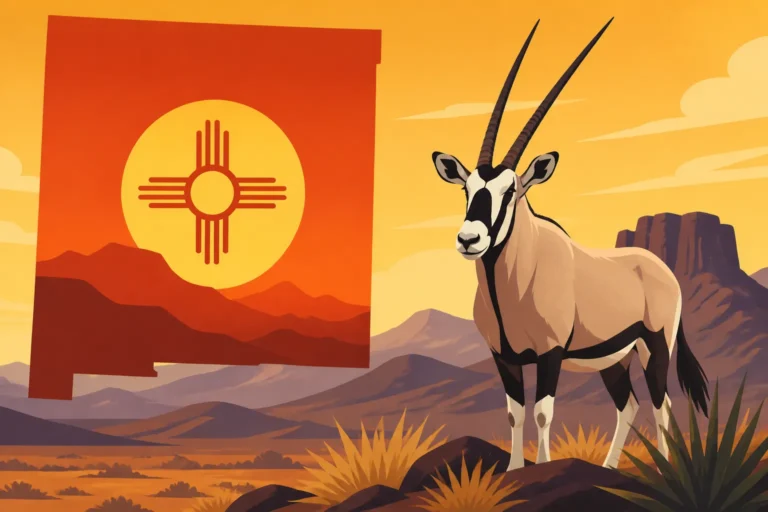
Hunting Oryx on the White Sands Missile Range (WSMR) isn't just another big game hunt; it's an experience wrapped in military protocol, strict access rules, and a whole lot of anticipation. Unlike many other hunts that follow a predictable annual calendar, the WSMR Oryx hunts are dictated by factors far beyond typical wildlife management. This unique environment makes understanding the scheduling a critical first step for any hopeful hunter.
Why White Sands is Different
The most significant difference when hunting Oryx on the White Sands Missile Range is, quite simply, the military. The entire area is an active missile testing range, meaning that public access, including hunting, is entirely secondary to national security and operational needs. The New Mexico Department of Game and Fish (NMDGF) works closely with WSMR personnel to carve out specific windows when hunts can occur without interfering with testing schedules. This means the hunt dates can fluctuate significantly from year to year, depending on the military's changing requirements.
It’s not just about getting drawn; it’s about navigating a controlled environment. The NMDGF manages the Oryx population, but the military controls the "when" and "how" of access. This often leads to shorter hunt windows, typically just three days, and strict rules regarding entry and movement within the range. The fact that the Oryx themselves are an introduced species, thriving in this unique desert landscape, only adds to the allure and mystique. If you're wondering, "Oryx is New Mexico's Strangest Big Game Animal", and the WSMR environment makes it even more so.
The Application and Draw Process
Before you even think about dates, you have to get a tag. White Sands Oryx hunts are highly sought after, with draw odds that can be incredibly low, especially for non-residents. The application process for most New Mexico big game tags, including Oryx, typically opens in January and closes in mid-March. This March deadline is critical and unwavering, so mark your calendar! You can explore details like "The March Deadline for New Mexico Applications" to ensure you don't miss out.
When you apply, you're essentially applying for a chance at a specific hunt code, which will include a designated unit (often "WSMR" or a sub-unit like "Stallion Range") and a hunt period. The NMDGF then conducts a random draw, and if you're lucky enough to be selected, your hunt dates will be explicitly stated on your tag. Because the military's schedule can shift, the NMDGF doesn't release the exact hunt dates until after the draw results are announced, usually in late April or early May. This can create a lot of planning headaches, especially for those traveling from out of state or trying to coordinate with work or family commitments. It's a true test of patience and flexibility! Remember that "New Mexico Draw Odds Do Not Improve With Time", so every application cycle is a fresh start for everyone.
Typical Scheduling for White Sands Oryx Hunts
While the exact dates are never set in stone until the draw results are published, there are historical patterns and general frameworks that the NMDGF and WSMR typically follow for scheduling Oryx hunts. Knowing these general periods can help you prepare mentally, even if you can't book your flight just yet.
Season Frameworks
Historically, White Sands Oryx hunts are usually scheduled in distinct blocks throughout the year, primarily to avoid the hottest summer months and to align with military operational lulls. You'll generally find hunt windows occurring in:
- Late Winter/Early Spring: Think January, February, and sometimes into early March. These hunts often coincide with cooler temperatures, which can make field dressing and meat care a bit easier, though you might still encounter brisk desert winds.
- Late Summer/Early Fall: August, September, and October are also common periods. These hunts can be brutal due to intense heat, but they also offer unique challenges and beautiful desert conditions. Monsoon season can sometimes bring unexpected rain, which, while rare, can create difficult road conditions.
It's vital to remember that these are just general guidelines. The specific units within WSMR (like Stallion Range, Rhodes Canyon, or Trinity Site) can have different schedules, and the NMDGF will publish these details in their annual Rules and Information Booklet. The key takeaway is that these are almost always short, intense hunts, often lasting just three days. If you want more insight into this specific duration, check out "Why a New Mexico Oryx Season Runs Three Days".
Access and Security Protocols
Once you draw that coveted White Sands Oryx tag, the real planning begins. Access to the White Sands Missile Range is not like driving onto public land. You are entering an active military installation, and as such, strict security protocols are in place. Hunters are typically required to:
- Undergo Background Checks: Be prepared to provide personal information for security screening well in advance of your hunt.
- Attend Mandatory Orientations: There's usually a briefing the day before or morning of your hunt to cover safety rules, boundaries, and what to expect.
- Travel in Convoys: Most hunts require hunters to travel in escorted convoys to and from the hunting area, often led by military personnel or NMDGF staff. This means you can't just wander off on your own once inside the gates.
- Vehicle Inspections: Expect your vehicle and gear to be inspected upon entry and exit.
These stringent rules are in place for everyone's safety, but they also mean that flexibility is paramount. Military operations can, and sometimes do, take precedence over hunting. It's a rare but real possibility that a hunt could be delayed or even "What Happens If Military Operations Shorten Your Hunt". While frustrating, it's a condition all WSMR hunters understand and accept. Getting onto the range successfully is an experience in itself, as explored in "Getting Onto White Sands Missile Range".
Staying Up-to-Date on Oryx Hunt Dates
Given the dynamic nature of White Sands Oryx hunt scheduling, staying informed is absolutely crucial. You don't want to miss an application deadline or be caught off guard by a shift in dates. Luckily, there are several reliable ways to keep your finger on the pulse of these unique opportunities.
Official NMDGF Resources
Your first and most authoritative source for all New Mexico hunting information, including Oryx hunt schedules, is the New Mexico Department of Game and Fish (NMDGF).
- Annual Rules and Information Booklet: This is your bible. Every year, typically in late January or early February, the NMDGF publishes its official Rules and Information Booklet. This comprehensive document contains all the draw information, hunt codes, dates (as firm as they can be before the draw), and specific regulations for every species. You should make it a habit to download and thoroughly read "Reading the New Mexico Rules and Info Booklet" each year. The Oryx sections will detail the application choices and any known scheduling periods.
- NMDGF Website: The NMDGF website is constantly updated with news releases, application period announcements, and eventually, draw results. This is where you'll find the official word on when applications open and close, and when results are expected. They also often have a specific page dedicated to Oryx hunting, including FAQs about the WSMR hunts.
- Email Alerts: Sign up for NMDGF email newsletters or alerts. This ensures you receive direct notifications about important deadlines, regulation changes, and draw result announcements right to your inbox. This can be a lifesaver for busy hunters trying to keep track of multiple states.
Utilizing Third-Party Scouting Tools and Communities
Beyond the official channels, a robust ecosystem of third-party tools and online communities can provide invaluable assistance in navigating the complexities of New Mexico Oryx hunts.
- Subscription Services like GoHunt: Platforms such as GoHunt (Insiders) offer incredibly detailed state-by-state information, including aggregated draw odds, application strategies, and season date projections. They often analyze historical data to give you a better idea of when hunts might occur and which hunt codes have the best (or worst) odds. This can be especially helpful for understanding the nuances of different WSMR units and their typical scheduling. GoHunt also keeps track of application deadlines and helps you manage your applications across multiple states.
- Online Forums and Social Media Groups: Engaging with other hunters in online forums or dedicated social media groups for New Mexico hunting can provide real-time insights and experiences. Often, seasoned hunters will share their observations on past hunt dates, tips for navigating WSMR, or even anecdotal evidence of when the military tends to schedule its operations. Just remember to verify information from unofficial sources against the NMDGF regulations.
- Outfitters and Guides: While you might be planning a DIY hunt, reputable New Mexico outfitters who specialize in Oryx can be a wealth of knowledge. They are often the first to know about subtle shifts in scheduling or military procedures because it directly impacts their business. Even a brief conversation can yield valuable insights into current trends. For example, some may offer services related to "A Nonresident New Mexico Oryx Tag Runs $1,623" if you're looking at all-inclusive packages.
Here's a quick reference table outlining the typical scheduling framework for White Sands Oryx hunts:
| Aspect | Typical Details | Key Considerations |
|---|---|---|
| Application Period | January – March (Deadline: Mid-March) | Absolutely critical to apply on time; check NMDGF for exact dates annually. |
| Draw Results | Late April – Early May | Hunt dates are typically announced with draw results. |
| Hunt Season (General) | Late Winter/Early Spring (Jan-Mar) & Late Summer/Early Fall (Aug-Oct) | Dates vary annually based on military operations and NMDGF scheduling. |
| Hunt Duration | Typically 3 days | Short, intense hunts requiring efficient planning and execution. |
| Access Requirements | Mandatory background checks, orientations, convoy travel, vehicle inspections. | Strict military protocols; flexibility is essential. |
| Official Source | NMDGF Annual Rules and Info Booklet, NMDGF Website, Email Alerts | Always cross-reference with official NMDGF publications. |
| Planning Tools | GoHunt, hunting forums, experienced outfitters | Supplement official info with community insights and analytical tools. |
Ultimately, securing a White Sands Oryx tag is a journey that demands patience, diligent research, and a healthy dose of flexibility. By understanding the unique factors at play and leveraging all available resources, you significantly improve your chances of planning for and enjoying this extraordinary New Mexico hunting experience.
Disclaimer
Always consult the official New Mexico Department of Game and Fish (NMDGF) regulations and publications for the most current and accurate information regarding hunting seasons, dates, and application procedures. This guide is for informational purposes only and should not replace official sources.