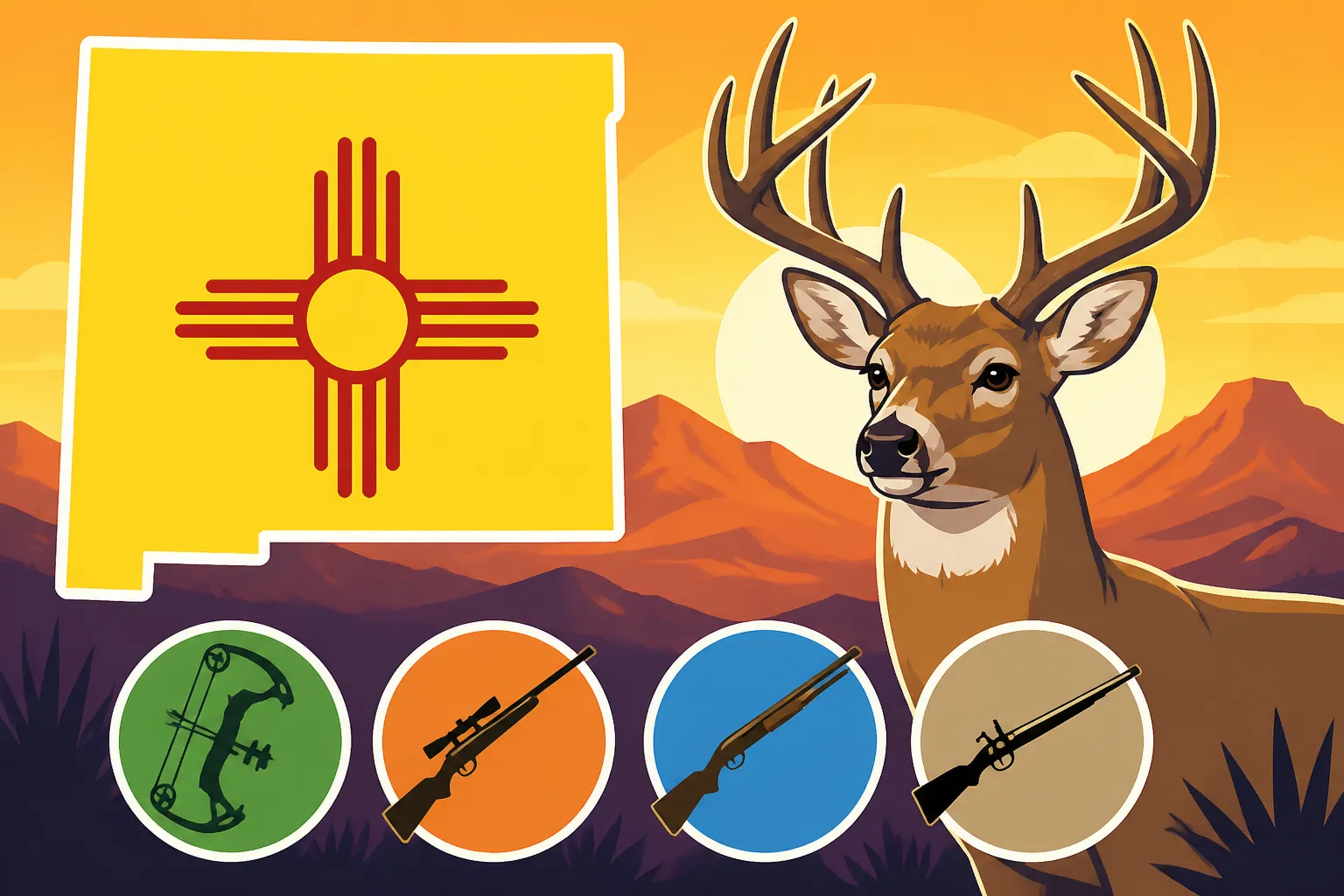
Any Legal Weapon Deer Dates in New Mexico
Trying to pin down the exact dates for "Any Legal Weapon" deer hunts in New Mexico can feel like a game of whack-a-mole. You know you want to hunt mule deer or even Coues deer with your trusty rifle, but the season dates are rarely a straightforward statewide affair. Instead, they’re meticulously tied to specific game management units, varying wildly from one corner of the state to another, and even shifting year to year. This guide is here to untangle that knot, walking you through the typical timing for these popular hunts and how to make sure you're looking at the right dates for your chosen unit.
Understanding New Mexico's Deer Hunting Structure
New Mexico is known for its diverse hunting opportunities, and deer hunting is certainly no exception. While many states might have a single general rifle deer season, New Mexico takes a more granular approach, offering distinct seasons based on weapon type and specific units. This system allows for tailored management strategies, but it definitely means hunters need to do their homework.
Unlike archery-only or muzzleloader-only hunts, "Any Legal Weapon" seasons offer the most flexibility in terms of the firearms you can use, typically encompassing modern rifles, shotguns, and even muzzleloaders that meet specific state requirements. These seasons are often the most popular and, consequently, the most challenging to draw a tag for, especially in highly sought-after units. It's a system that truly reflects the varied landscapes and wildlife populations across the state, from the high mountain timber to the sprawling desert lowlands.
The draw system in New Mexico is unique, too, with tags allocated through a lottery. It's not uncommon to hear hunters discuss how New Mexico Splits Every Hunt 84, 10 and 6 Percent, referring to the resident, outfitter, and nonresident tag allocations, respectively. This means understanding the draw process is almost as important as knowing the hunt dates themselves.
Key Dates for Any Legal Weapon Deer Seasons
When you're looking at "Any Legal Weapon" deer dates in New Mexico, think of them in general windows, then immediately drill down to unit-specific details. There isn't a blanket statewide opening day for rifle deer season. Instead, these hunts are carved out carefully, aiming to balance hunting pressure, harvest objectives, and the biological rhythms of the deer herds.
Typically, you'll find "Any Legal Weapon" deer seasons kicking off in late October, extending through November, and in some units, even pushing into early December. The timing often correlates with the mule deer rut or post-rut phases, which is why these tags are so highly coveted. Always remember that these dates are subject to change annually, so consulting the current year's New Mexico Department of Game and Fish (NMDGF) regulations is absolutely non-negotiable. Knowing how to read a New Mexico Hunt Code Before You Apply will be your secret weapon in this process, ensuring you're not missing any crucial details.
Early Season Opportunities
While the bulk of "Any Legal Weapon" deer hunting falls later in the year, some units or specific hunt codes might offer earlier windows. These hunts typically pop up in late October, usually before the peak of the rut. These earlier dates can present unique challenges and opportunities. The weather might still be relatively mild, especially in the southern desert units, meaning you'll be contending with more active deer during cooler morning and evening hours, and they might still be on fairly predictable feed-to-bed patterns.
For hunters who prefer to avoid the intense competition and often colder, snowier conditions of late November, these early season tags can be a fantastic option. However, deer might not be as concentrated due to rut activity, requiring more diligent scouting and covering more ground. Conditions for tracking might also be harder without snow cover. Don't underestimate the need for thorough E-Scouting a New Mexico Unit Before the Season to locate prime habitat and potential travel corridors.
Peak Rut and Mid-Season Hunts
This is arguably the sweet spot for "Any Legal Weapon" deer hunters in New Mexico. The majority of these seasons are strategically placed to coincide with the mule deer rut, which generally kicks into high gear through mid-November, and for Coues deer, it often peaks closer to December or even January, depending on the specific unit and environmental factors. When the Mule Deer Rut Actually Starts, bucks become less cautious, more visible, and actively seeking does, presenting incredible opportunities for hunters.
These mid-November hunts are what many hunters dream of. Bucks are moving, sometimes even in broad daylight, and their focus on does can make them more vulnerable. However, this increased activity also means increased hunter presence. You'll likely encounter more vehicles, more foot traffic, and certainly more orange vests in the woods. Being prepared for varying weather — from crisp, cool mornings to potentially snowy days — is crucial. This is where resources like GoHunt's detailed maps and unit overviews can be invaluable, helping you understand terrain and potential pressure points, allowing you to plan your approach more effectively.
Late Season and Post-Rut Options
For some units, New Mexico offers "Any Legal Weapon" deer hunts extending into late November and even early December. These late seasons often come with a different set of challenges and rewards. By this time, the peak of the rut has usually passed, and bucks are starting to recover, focusing heavily on feeding to regain lost weight. The weather is typically much colder, and hunters can expect snow, especially in higher elevation units.
While deer might not be as actively cruising for does, the colder temperatures and potential snow cover can actually work in a hunter's favor. Deer will often concentrate in wintering areas, frequently near south-facing slopes or lower elevations where forage is more accessible and temperatures are milder. Snow makes tracking easier and can highlight deer movement patterns that were invisible earlier in the year. The trade-off is often dealing with freezing temperatures, challenging road conditions, and the need for specialized cold-weather gear. Hunting New Mexico From 4,000 Feet to 10,000 feet means being ready for everything Mother Nature can throw at you, and these late-season hunts truly test your resolve.
Navigating Unit-Specific Dates and Regulations
The biggest takeaway for "Any Legal Weapon" deer dates in New Mexico is this: they are almost always unit-specific and vary year to year. There's no single general deer season that applies across the entire state, which is why diligent research is paramount. Failing to understand the precise dates for your drawn tag could lead to a ruined hunt, or worse, legal trouble.
Every year, the New Mexico Department of Game and Fish (NMDGF) releases its official "Rules and Information Booklet." This is your bible. It contains every single hunt code, unit boundary, and all the associated dates and regulations. Don't rely on old data, forum posts from years past, or hearsay. Go straight to the source. This is precisely where the official information you need for Where the Current New Mexico Regulations Are Posted can be found. Additionally, familiarizing yourself with Reading a New Mexico Unit Boundary Before You Apply is crucial for understanding where your tag is actually valid.
| Season Type (General) | Typical Date Range | Characteristics | Challenges |
|---|---|---|---|
| Early Season | Late October | Pre-rut, deer on predictable patterns, milder weather | Less deer movement, harder to find concentrations, potential for warmer temps |
| Mid-Season (Rut) | Mid-November | Peak rut activity, bucks more visible and active, often prime time | Higher hunter pressure, variable weather, bucks may be nocturnal in pressured areas |
| Late Season | Late November – Early December | Post-rut recovery, deer focused on feeding, colder weather, potential for snow | Harsh weather, difficult access, deer can be less active during daylight |
The Importance of Hunt Codes
Every single hunt in New Mexico is identified by a unique hunt code. This alphanumeric sequence tells you everything: the species, the specific unit(s), the weapon type allowed, and most importantly, the exact start and end dates. For example, a hunt code like "MD-16A-1-10-15" might break down to Mule Deer (MD), Unit 16A, the first hunt for that unit, running from October 10th to October 15th. It's a hypothetical example, of course, but it illustrates how precise these codes are.
Understanding New Mexico Hunt Codes and How to Read Them is absolutely essential. Don't just glance at the dates; pay close attention to the unit number. Accidentally hunting in the wrong unit is a serious offense. When you receive your tag, double-check the hunt code printed on it against the official regulations to confirm the dates and unit validity.
Resources for Verification
Beyond the official NMDGF booklet, there are several excellent online resources that can help you verify "Any Legal Weapon" deer dates and plan your hunt. Websites like GoHunt provide comprehensive draw odds, application strategies, and often consolidate hunt date information in an easy-to-digest format. They can be particularly useful for quickly comparing different hunt choices before the New Mexico Application Deadline Date.
However, always use these third-party resources as a guide, not a definitive source. Always, always, cross-reference the information with the official NMDGF rules. This applies to everything from Checking New Mexico Draw Odds Before You Apply to understanding specific unit boundaries. Even with all the online tools at your disposal, a quick call to the NMDGF information line if you have any doubts can save you a lot of headaches. It’s important to understand how New Mexico Draw Odds Work Without Points, as the system can be a bit different from other Western states.
Preparing for Your Any Legal Weapon Deer Hunt
Once you've secured your tag and confirmed your "Any Legal Weapon" deer dates, the real work begins: preparing for the hunt itself. New Mexico's diverse terrain and often unpredictable weather mean that preparation is key to a successful and safe experience.
Gear Considerations
For an "Any Legal Weapon" hunt, your rifle is obviously central. Choosing a Rifle for Gila Timber and Canyons will be different than selecting one for wide-open plains. Consider the caliber suitable for mule deer or Coues deer, and make sure you've practiced extensively at varying distances. A good set of optics – binoculars and potentially a spotting scope – are indispensable for picking apart the vast landscapes and spotting deer before they spot you. Don't forget shooting sticks or a bipod for steady shots, as natural rests aren't always available, especially on rocky ground.
Layered clothing is a must, no matter the season. Early season hunts might start warm but drop significantly in temperature as the day progresses or if a cold front moves in. Late season hunts demand serious cold-weather gear, including insulated boots, waterproof outer layers, and hand/foot warmers. A reliable pack, first-aid kit, navigation tools (GPS, map, compass), and plenty of water are non-negotiable items for any New Mexico backcountry adventure.
Physical Preparation
New Mexico deer hunting, especially in the rugged mountain units, can be physically demanding. Expect to cover significant ground, often at high elevations and over steep, broken terrain. Even in desert units, walking miles over uneven ground is common. If you’re planning on hunting areas like the Gila, physical fitness is not just a recommendation, it's a necessity. Start a rigorous exercise routine well in advance, focusing on cardiovascular endurance, leg strength, and carrying a weighted pack.
Scouting and Strategy
Pre-season scouting, whether in person or via e-scouting tools like those offered by GoHunt, is vital. Understand the lay of the land, identify potential bedding areas, feeding zones, water sources, and escape routes. Pay attention to how deer move through the terrain, especially in relation to the wind. Terrain That Hides an Approach at 10,000 Feet can be your friend, but only if you know how to use it.
During the hunt, adapt your strategy to the conditions. If you're hunting during the rut, focus on areas where does congregate and be patient. If it's a post-rut hunt, look for deer in sheltered areas with good forage, especially during colder weather. Understand your rifle's capabilities and practice shooting from field positions. Knowing your Rifle Zero Distance for Canyon Country will be critical for making accurate shots in challenging terrain. Always hunt ethically, know your limits, and respect the land and wildlife.
Disclaimer
Please note: Hunting regulations, season dates, and unit boundaries can change annually. Always consult the official New Mexico Department of Game and Fish (NMDGF) Rules and Information Booklet for the most current and accurate information before planning and executing any hunt. This article provides general guidance and is not a substitute for official regulations.