How EPLUS Puts New Mexico Elk Tags in Landowner Hands
For many of us who dream of chasing elk in the high country of New Mexico, the annual draw can feel like an insurmountable hurdle. You spend hours poring over draw odds, agonizing over unit choices, only to receive that all-too-familiar "unsuccessful" notification. It's a frustrating reality for countless hunters, especially when tags for coveted units are so limited. But what if there was another path to securing a New Mexico elk tag, one that bypasses the low odds of the public draw? That's precisely where the EPLUS system comes into play, offering a unique avenue for hunters to secure a tag through participating landowners. This guide is going to walk you through exactly how this system works, how tags end up in landowner hands, and how you, as a hunter, might just secure one for your next adventure.
Understanding New Mexico's Elk Tag System
Let's be honest, getting an elk tag in New Mexico can be a real challenge. The state is renowned for its incredible elk populations and the potential for trophy-class animals, particularly in iconic areas like the Gila. This popularity, however, translates directly into fierce competition for limited public land tags. Understanding the conventional draw system is crucial before we dive into the alternative that EPLUS offers.
The Standard Public Land Draw and Its Challenges
Every year, thousands of hunters throw their hats into the ring for a chance at a New Mexico elk tag through the state's lottery system. Unlike some other western states, New Mexico doesn't operate on a preference point or bonus point system, which means every applicant, whether it's their first time applying or their twentieth, theoretically has the same odds of drawing. While this sounds fair, it also means that for highly sought-after hunts in units with excellent genetics and habitat, the odds can be truly abysmal. You might be looking at single-digit percentages, especially as a non-resident.
The state allocates tags into different pools: a significant portion for residents, a smaller percentage for non-residents, and another chunk specifically reserved for clients of registered outfitters. The 6 Percent New Mexico Nonresident Allocation means that non-residents face even steeper odds, making the dream of a public land elk hunt feel even more distant for those coming from out of state. It's a system that can leave even the most optimistic hunter feeling discouraged, year after year, as their credit card gets charged for the application fee only to be refunded with no tag in hand.
Why an Alternative System Was Needed
With such intense demand and limited supply through the traditional draw, the New Mexico Department of Game and Fish (NMDGF) recognized the need for alternative approaches to both manage elk populations and provide hunting opportunities. Private landowners often play a significant role in wildlife management, as a substantial amount of elk habitat exists on private property. Without a mechanism to involve these landowners, a large portion of the state's elk resource might go unmanaged or underutilized, particularly if elk spend considerable time on private lands.
The EPLUS system was designed to address this by incentivizing private landowners to engage in elk habitat management and provide hunting access. It acknowledges that private land provides critical habitat, forage, and movement corridors for elk, complementing the vast public lands available. By providing tags directly to landowners, the state encourages their participation in conservation efforts and offers an economic incentive that can help offset the costs of managing wildlife on their property, or even the damage elk might cause to crops or fences. It's a way to spread the hunting opportunity and leverage private resources for public wildlife benefit, even if the "public" ends up paying a premium for the access.
The Core Concept of EPLUS
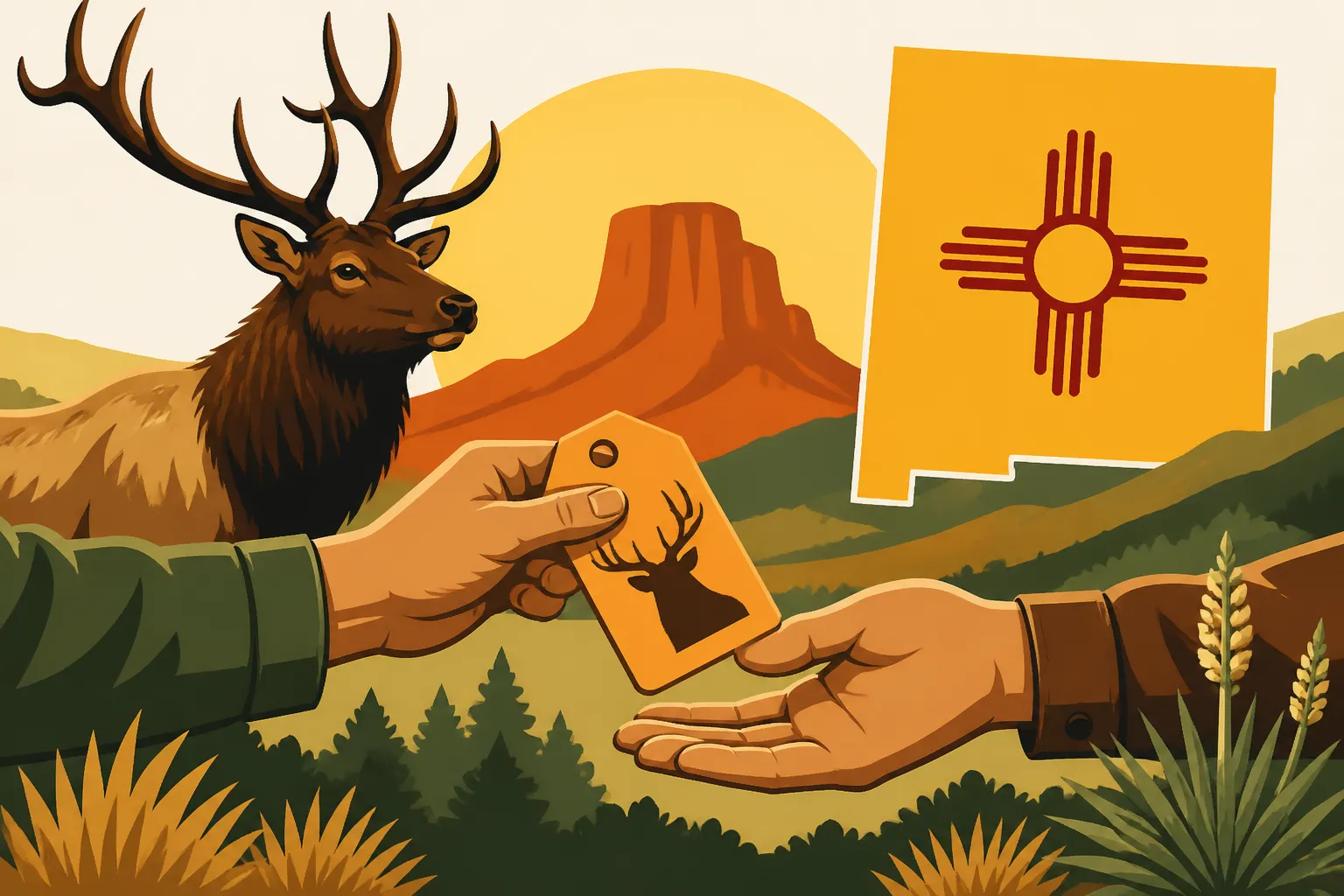
At its heart, EPLUS stands for "Elk Private Land Use System." It's a program that allows eligible private landowners to receive a certain number of elk authorizations (essentially, permits) from the NMDGF. These authorizations are then used by the landowner to either hunt the elk themselves, transfer them to friends or family, or, most commonly, sell them to hunters.
Think of it this way: instead of drawing a tag directly from the state lottery, a hunter purchases an authorization from a private landowner or an outfitter who has secured these authorizations. Once acquired, this authorization can then be converted into a valid New Mexico hunting license and elk tag. The beauty of EPLUS, from a hunter's perspective, is that it offers a guaranteed tag, bypassing the uncertainty and low odds of the general draw. However, this guarantee comes with a different kind of challenge: the financial investment, which is often significantly higher than a drawn public land tag. It's a trade-off many hunters are willing to make for the certainty of a hunt and often, access to prime, less-pressured areas.
How EPLUS Authorizations Are Generated for Landowners
So, how do these coveted EPLUS authorizations actually make their way into the hands of private landowners? It's not a free-for-all; there’s a structured process governed by the NMDGF to ensure that the system serves both wildlife management objectives and provides legitimate hunting opportunities. Landowners don't just "get" tags; they apply for and receive them based on specific criteria.
Criteria for Landowner Participation
For a landowner to participate in the EPLUS program, they must meet several key requirements set forth by the NMDGF. Simply owning a large piece of land isn't enough; the property needs to demonstrate specific value to elk populations. Typically, this involves factors such as:
- Acreage and Habitat Quality: The property must be of a certain size, often hundreds or thousands of acres, and provide suitable elk habitat. This means adequate forage, water sources, and cover for elk throughout different seasons. The NMDGF looks for land that genuinely contributes to the biological needs of elk.
- Proof of Elk Presence: Landowners need to provide evidence that elk frequently use their property. This might involve historical harvest data, trail camera footage, observation records, or other forms of documentation. The tags are allocated to manage existing elk populations, not to create new hunting opportunities where elk don't regularly occur.
- Formal Agreement with NMDGF: Participating landowners enter into an agreement with the NMDGF, outlining their commitment to specific elk management goals on their property. This isn't just a handshake; it's a formal understanding that ensures the program's integrity and effectiveness.
- Property Boundaries and Accessibility: The land must have clearly defined boundaries and reasonable access for NMDGF staff for assessment and monitoring purposes. This ensures accountability and allows the state to verify the conditions on the ground.
These criteria ensure that the EPLUS program is focused on properties that genuinely contribute to the state's overall elk management strategy, rather than just being a way to sell tags without ecological benefit.
The Role of Elk Habitat and Management Plans
A critical component of a landowner's eligibility and the number of authorizations they receive is their commitment to elk habitat management. This often involves the development and adherence to a formal Elk Management Plan approved by the NMDGF. These plans are tailored to the specific property and local elk herd dynamics, and they might include provisions for:
- Habitat Improvement: Activities such as prescribed burns, noxious weed removal, water source development, or restoring native vegetation that benefits elk.
- Population Monitoring: Landowners might be encouraged to collect data on elk numbers, herd composition, and movement patterns on their property, contributing to the NMDGF's broader understanding of regional elk populations.
- Damage Mitigation: If elk are causing agricultural damage, the plan might outline strategies to mitigate this damage, with hunting being one of the management tools.
The NMDGF assesses each property and its management plan, allocating a specific number of authorizations based on factors like elk density, habitat quality, and the landowner's commitment to management objectives. This allocation isn't a fixed number year after year; it can fluctuate based on herd health, population estimates, and habitat conditions. Essentially, the state is rewarding responsible land stewardship that benefits the public's wildlife resource.
The Allocation Process: From NMDGF to Landowner
Once a landowner is deemed eligible and has an approved management plan, the NMDGF proceeds with the allocation of EPLUS authorizations. This isn't a draw for the landowners themselves; it's a calculated assignment based on the agency's biological assessment and the property's contribution to elk management.
Here's a simplified breakdown of the process:
- Application and Assessment: Landowners submit an annual application to the NMDGF, providing details about their property, elk observations, and management activities. NMDGF biologists then review these applications and often conduct site visits to verify conditions and assess elk usage.
- Quota Determination: Based on biological data, herd management goals for the specific Game Management Unit (GMU) in which the property is located (knowing How New Mexico Numbers Its Game Management Units is crucial here), and the individual landowner's demonstrated commitment, the NMDGF determines the appropriate number of EPLUS authorizations to allocate to each approved property. These authorizations can be for either bulls or cows, and for specific weapon types and season dates, aligning with the broader New Mexico Elk Season Structure by Unit.
- Issuance of Authorizations: The NMDGF then issues the official EPLUS authorizations to the landowner. These are not yet hunting tags; they are permits that grant the landowner the right to transfer the opportunity to a hunter. This is a critical distinction.
This meticulous process ensures that the EPLUS system is integrated into the overall wildlife management framework, aiming for sustainable elk populations while also providing valuable hunting opportunities through private land stewardship.
The Journey of an EPLUS Tag to the Hunter
So, a landowner has successfully navigated the NMDGF process and received EPLUS authorizations. Now comes the exciting part for hunters: acquiring one of these coveted tags. This path is quite different from the traditional draw, involving direct transactions and a distinct financial commitment.
Purchasing an EPLUS Authorization Directly
Once a landowner holds EPLUS authorizations, they can then offer them for sale to interested hunters. This is where you, the hunter, step in. There are a few primary ways these authorizations are typically acquired:
- Directly from the Landowner: Many landowners manage their own EPLUS programs and will sell authorizations directly to hunters. This often means you'll be dealing directly with the property owner, which can sometimes offer a more personalized experience and allow for detailed discussions about the property and hunt logistics.
- Through an Outfitter: A significant portion of EPLUS tags are sold through licensed New Mexico outfitters. These outfitters often have established relationships with multiple landowners or lease hunting rights on properties that receive EPLUS authorizations. When you consider that New Mexico Reserves Ten Percent of Every Hunt for Outfitter Clients in the general draw, it's clear outfitters play a large role, and EPLUS amplifies this. An outfitter might offer a "tag-only" purchase or, more commonly, combine the EPLUS authorization with a fully guided hunt package, which can include lodging, food, and guiding services. For many, Gila Outfitters Sell Access to Country You Cannot Reach Alone, making them an indispensable part of an EPLUS hunt in that challenging terrain.
- Hunting Brokers/Consultants: Some specialized hunting brokers act as intermediaries, connecting hunters with landowners or outfitters who have EPLUS tags available. They often have a wide network and can help match hunters with the right opportunity based on their preferences and budget.
Regardless of the channel, the core transaction involves purchasing the authorization from the landowner or outfitter. This usually requires an upfront payment, and it's essential to get all the details in writing.
The Cost Factor: Why EPLUS Tags Are Different
Let's address the elephant in the room: cost. EPLUS tags are not cheap. They represent a significant financial investment, often many times more expensive than a public land tag drawn through the lottery. While a Nonresident Cow Elk Tag Pricing in New Mexico might be a few hundred dollars through the draw, an EPLUS bull elk authorization can easily range from a few thousand to upwards of ten thousand dollars, or even more, depending on the unit, the landowner/outfitter, and whether it's a unit-wide or ranch-only tag (more on that in the next section).
Several factors contribute to this higher price:
- Guaranteed Tag: The primary driver of cost is the certainty. You're paying for a guaranteed elk tag, bypassing the incredibly low odds of the public draw. For many, this peace of mind and the ability to plan a hunt without the "will I or won't I draw?" anxiety is worth the premium.
- Exclusive Access: EPLUS tags often provide access to private land that is less pressured than public land. This can translate to higher quality animals and a more enjoyable, secluded hunting experience. In a ranch-only scenario, you might be one of only a handful of hunters on thousands of acres.
- Landowner/Outfitter Costs: The price also reflects the landowner's investment in wildlife management, habitat improvement, and the economic value they place on the hunting opportunity. If an outfitter is involved, their services (guiding, scouting, logistics, lodging) are also factored into the overall price, similar to What a Guided New Mexico Elk Hunt Costs.
- Demand: The demand for guaranteed New Mexico elk tags, especially for trophy bulls, is incredibly high. Basic supply and demand economics play a significant role in pricing.
It's crucial to understand that the price you pay for the EPLUS authorization does not include your standard New Mexico hunting license. You'll still need to purchase a valid non-resident or resident hunting license from the NMDGF in addition to the EPLUS authorization.
Converting the Authorization into a Valid License
Once you've purchased an EPLUS authorization from a landowner or outfitter, the final step is to convert it into an official NMDGF hunting license and tag. This isn't an automatic process; there are administrative steps you must complete.
- Online Verification: The landowner or outfitter will provide you with specific information, usually a unique authorization number, along with the unit, weapon type, and hunt dates associated with your EPLUS tag.
- NMDGF Purchase Portal: You will then go to the NMDGF's online licensing portal. You'll need to have your regular New Mexico hunting license already purchased (the basic license required for all big game hunters).
- Authorization Entry: On the NMDGF site, you'll enter the EPLUS authorization number. The system will verify its validity and link it to your hunter profile.
- Tag Issuance: Once verified and purchased, the system will allow you to print your official elk tag, or it may be mailed to you depending on the timing. This tag, along with your general hunting license, is what you must carry in the field.
It's absolutely vital to complete this conversion process accurately and well in advance of your hunt dates. Failure to convert the authorization into a physical tag means you legally cannot hunt. Always double-check all details on your printed tag against the authorization information to ensure accuracy. This is also where understanding concepts like Reading a New Mexico Hunt Code Before You Apply becomes critical to ensure your tag matches your hunt.
Unit-Wide vs. Ranch-Only EPLUS Authorizations
One of the most important distinctions to understand when considering an EPLUS tag is whether it grants "unit-wide" or "ranch-only" access. This choice significantly impacts your hunting experience, strategy, and often, the price tag. Each type offers a different level of freedom and exclusivity.
Exploring Unit-Wide EPLUS Access
A unit-wide EPLUS authorization, as the name suggests, grants you the ability to hunt elk anywhere within the designated Game Management Unit (GMU) for which the tag is valid. This means you are not restricted to the specific private property from which you acquired the authorization.
Benefits of Unit-Wide Access:
- Flexibility and Mobility: This is the biggest advantage. You can hunt private land, but you also have the freedom to access and hunt the vast amounts of public land (National Forest, BLM, State Trust Land) within that unit. This is incredibly valuable in New Mexico, where public land often offers diverse terrain and less hunting pressure in backcountry areas. This truly opens up opportunities for hunters looking for a more traditional public land experience but with a guaranteed tag.
- Increased Opportunity: Having an entire GMU at your disposal drastically increases your chances of finding elk, especially if they move between private and public holdings due to pressure or seasonal changes. You aren't "stuck" if elk aren't on the particular ranch you bought the tag from.
- Broader Scouting Potential: You can use tools like GoHunt to E-Scouting a New Mexico Unit Before the Season, identifying promising public land areas, traditional elk migration routes, and potential bedding and feeding areas throughout the entire unit, knowing you have the legal right to hunt there.
Limitations:
- Still High Cost: While it offers more flexibility, unit-wide EPLUS tags are still premium-priced.
- Navigating Private/Public Boundaries: You still need to be diligent about respecting private property boundaries, especially when hunting public land adjacent to private ranches. Understanding property lines with mapping apps like onX Hunt is crucial.
- Requires Self-Sufficiency: If you're utilizing the public land aspect, you'll still need to be self-sufficient in terms of scouting, navigating, and packing out your animal, similar to any DIY public land hunt. Outfitters often offer unit-wide EPLUS tags as part of a guided package, but you can also find tag-only options.
Understanding Ranch-Only EPLUS Hunting
A ranch-only EPLUS authorization confines your hunting activities strictly to the boundaries of the specific private property from which the authorization was issued. You cannot cross those fence lines onto adjacent public or other private lands with this tag.
Pros of Ranch-Only Hunting:
- Exclusivity and Low Pressure: This is often the allure. You're hunting on private land that typically sees much less hunting pressure than public ground. This can result in more relaxed animals and a higher probability of encountering mature bulls.
- Managed Herds: Many ranches actively manage their elk populations, implementing strategies to improve habitat and foster trophy potential.
- Amenities and Services: Ranch-only hunts often come as part of a package that includes lodging, meals, and guiding services. This can be a great option for hunters looking for a more comfortable experience with fewer logistical headaches, particularly for those who might not be familiar with Hunting New Mexico From 4,000 Feet to 10,000 feet on their own.
- Higher Success Rates: Due to managed populations and reduced pressure, ranch-only hunts often boast higher success rates than public land hunts.
Cons of Ranch-Only Hunting:
- Limited Mobility: The biggest drawback is being restricted to a specific piece of land, no matter how large. If elk aren't on that property during your hunt, your options are limited.
- Potentially Higher Cost: While not always the case, ranch-only hunts, especially those with full service, can be among the most expensive EPLUS options.
- Less "Wild" Experience: For some hunters, the highly managed and sometimes fenced nature of ranch hunting feels less like a traditional wilderness hunt.
Choosing the Right EPLUS Option for Your Hunt
Deciding between unit-wide and ranch-only comes down to several factors specific to your hunting philosophy and practical considerations:
- Budget: Ranch-only full-service packages are often the priciest. Unit-wide tags, especially tag-only options, can be a bit more affordable but still a significant investment.
- Desired Experience: Do you crave the challenge and solitude of a DIY public land hunt, but with a guaranteed tag? Or do you prefer the comfort, amenities, and higher success potential of a private ranch experience?
- Skill Level and Physical Condition: If you're less experienced in western hunting or have physical limitations, a guided ranch-only hunt might offer a more accessible and supportive environment. Unit-wide public land hunting demands more self-sufficiency and fitness.
- Time Commitment: Ranch-only hunts often have a set number of days. Unit-wide hunting allows you more flexibility to explore at your own pace.
- Animal Quality Goals: While both can produce trophy animals, certain high-fence or intensively managed ranches might have a reputation for consistent large bulls.
A good way to summarize the differences might be with a table:
| Feature | Unit-Wide EPLUS Authorization | Ranch-Only EPLUS Authorization |
|---|---|---|
| Hunting Area | Entire Game Management Unit (GMU) | Restricted to specific private ranch property |
| Access | Private land where tag originated + all public land in GMU | Only the designated private ranch |
| Pressure | Can vary; often lower on private land, similar to public land | Generally very low |
| Cost | High, but can be more affordable for "tag-only" | Very high, especially for all-inclusive guided hunts |
| Services | Often "tag-only" or part of a guided public land hunt | Commonly bundled with guiding, lodging, meals, and amenities |
| Flexibility | High; can move freely within GMU (respecting private land) | Low; confined to ranch boundaries |
| DIY Potential | High, if purchasing tag only | Low; typically guided or semi-guided |
| Success Rate | Potentially higher than public draw due to guaranteed tag | Generally highest due to managed populations and low pressure |
Ultimately, your choice depends on what kind of elk hunt you envision and what you're willing to invest to make it a reality.
Finding and Vetting EPLUS Opportunities
Once you've decided an EPLUS tag is the right path for you, the next step is actually finding one and, perhaps more importantly, vetting the opportunity to ensure you're making a sound investment. This isn't like buying a leftover tag; it requires careful research and due diligence.
Where to Look for EPLUS Tags
The EPLUS market isn't a single, centralized exchange. It's a network of landowners, outfitters, and brokers. Here are the most common places to start your search:
- Landowner Websites: Some larger ranches with substantial EPLUS allocations will have their own websites, detailing their hunting opportunities, available tags, and pricing. A simple web search for "New Mexico EPLUS elk hunts" or "New Mexico private land elk tags" can yield results.
- Outfitters: Many reputable New Mexico outfitters specialize in EPLUS hunts. They often have access to multiple private ranches and can offer various packages, from drop camps to fully guided experiences. This is often where hunters begin, especially if they are new to the state or looking for an all-inclusive hunt. When looking at outfitters, consider that New Mexico Outfitters Sell Access to Country You Cannot Reach Alone, particularly in rugged areas like the Gila.
- Specialized Hunting Brokers/Consultants: Companies that specialize in booking western hunts often have relationships with landowners and outfitters in New Mexico. They can act as a valuable resource, helping you navigate the options and find a hunt that fits your criteria.
- Hunting Forums and Social Media Groups: While these can be good for gathering information and hearing about experiences, always exercise caution. Verify any leads independently and never rely solely on anecdotal information for such a significant investment.
- NMDGF Website: The New Mexico Department of Game and Fish (NMDGF) website is the official source for EPLUS regulations and often lists information for participating landowners or outfitters, though they typically don't act as a direct marketplace for tags.
When searching, be prepared to reach out to multiple contacts. Availability can be limited, especially for prime units and dates, and prices will vary significantly.
Key Questions to Ask Before Committing
This is where your detective hat comes on. Before you send any money or commit to an EPLUS hunt, you need to ask a lot of questions. Remember, this is a substantial investment, and you want to ensure you know exactly what you're getting.
Here's a checklist of crucial questions:
- Hunt Dates and Season: What are the exact start and end dates of the hunt? What weapon type (archery, muzzleloader, rifle) is the tag valid for?
- Unit and Species: Which Game Management Unit (GMU) is the tag for? Is it a bull or cow tag?
- Access Type: Is this a unit-wide or ranch-only EPLUS authorization? If ranch-only, what are the exact boundaries of the huntable area?
- What's Included in the Price: This is paramount. Does the price only include the EPLUS authorization, or does it cover guiding, lodging, meals, transportation during the hunt, field dressing, meat processing, or taxidermy? What's not included? (Often, your general hunting license, travel to New Mexico, and tips are extra.)
- Guide-to-Hunter Ratio (if guided): How many hunters will be with each guide?
- Success Rates and Opportunities: What have been the success rates for this specific hunt in recent years? What are the typical shot opportunities like? Ask for harvest photos from previous seasons.
- Accommodations: If lodging is included, what are the facilities like? (e.g., rustic cabin, comfortable lodge, wall tent drop camp).
- References: Always ask for references from past clients, preferably recent ones. This is one of the most important steps in vetting any outfitter or landowner.
- Scouting and Pre-Season Information: What kind of pre-season scouting do they do? Will they provide any intel before you arrive?
- Emergency Plan: What's their plan for medical emergencies or unforeseen circumstances in the field?
- Physical Demands: What are the physical demands of the hunt? How much hiking, horseback riding, or elevation gain should you expect? This is crucial if you're not used to Hunting New Mexico From 4,000 Feet to 10,000 feet.
- Rules and Regulations: Are there any specific ranch rules you need to be aware of? What are their policies on wounded animals?
Be wary of anyone who is vague on details, can't provide references, or pressures you for a quick decision. GoHunt, a valuable resource for Western hunters, often provides detailed unit information and outfitter reviews that can help inform your questions.
The Importance of a Solid Contract
Because of the significant financial investment involved with EPLUS tags, a clear, comprehensive contract is absolutely essential. This isn't just a suggestion; it's your legal protection. Do not proceed without one.
What a good contract should cover:
- Clear Identification of Parties: Your name, the landowner's/outfitter's legal entity.
- Specific Hunt Details: Unit, weapon, dates, species, whether it's bull or cow, unit-wide or ranch-only.
- Itemized Pricing: A clear breakdown of what the total cost is, what's included, and what's explicitly not included.
- Payment Schedule: How much deposit is required, when the balance is due, and acceptable payment methods.
- Cancellation and Refund Policy: This is critical. What happens if you have to cancel? What happens if the landowner/outfitter cancels? What if you fail to convert your authorization or fail to show up? If you plan to apply for public draws in other states, what happens if you draw a tag elsewhere?
- Liability Waiver: Most contracts will include a liability waiver, which is standard, but you should still understand its terms.
- Hunt Guarantees (or lack thereof): Most legitimate outfits will not guarantee a kill, but they might guarantee a shot opportunity. Understand what, if anything, is guaranteed.
- Dispute Resolution: How are disagreements handled? (e.g., arbitration, specific state laws).
- Governing Law: Which state's laws will govern the contract.
Read the contract carefully, and if anything is unclear, ask for clarification before you sign. It’s always a good idea to seek legal counsel if you have any doubts, especially for very high-value hunts. A well-written contract protects both you and the provider and ensures everyone is on the same page for your New Mexico elk adventure.
The Pros and Cons of Hunting with EPLUS Tags
Deciding whether to pursue an EPLUS tag is a big decision, and it’s one that often comes with a mix of excitement and trepidation. Like any hunting opportunity, there are distinct advantages and disadvantages to consider. It's not a one-size-fits-all solution, and what works for one hunter might not be suitable for another.
Advantages: Increased Odds and Exclusive Access
For many hunters, the benefits of EPLUS tags far outweigh the drawbacks, primarily because they address the core frustration of the draw system.
- Guaranteed Tag: This is, without a doubt, the number one advantage. You bypass the extremely low odds of the public draw and know, often months in advance, that you have a tag in hand. This certainty allows for extensive planning and preparation, from physical conditioning to E-Scouting a New Mexico Unit Before the Season, without the nagging doubt of whether you'll even be able to hunt. For hunters with limited vacation time or who are traveling long distances, a guaranteed tag is invaluable.
- Higher Success Potential: EPLUS hunts, especially ranch-only options, often boast significantly higher success rates than typical public land hunts. This is due to a combination of factors:
- Less Hunting Pressure: Private lands are often hunted by a much smaller number of people, leading to less wary animals.
- Managed Populations: Many participating landowners actively manage their elk herds and habitat, which can contribute to healthier populations and larger bulls.
- Expert Guidance: If you choose a guided EPLUS hunt, you benefit from the outfitter's intimate knowledge of the property, elk movements, and hunting tactics, greatly increasing your chances.
- Exclusive or Less Pressured Hunting Experience: Whether unit-wide or ranch-only, EPLUS often provides access to areas that see fewer hunters. This can mean a more peaceful, uninterrupted hunting experience, with less competition for prime spots. On a private ranch, you might be the only hunter, or one of a very select few, enjoying thousands of acres. Even with a unit-wide tag, you get the flexibility to hunt public ground if you choose, but with the added benefit of knowing you could utilize the private land if conditions warranted it.
- Access to Quality Animals: Less pressured elk, combined with good habitat and management, often means the opportunity to pursue older, more mature bulls. While no hunt guarantees a trophy, EPLUS hunts can significantly increase your chances of encountering higher-scoring animals.
- Comfort and Amenities (often with guided packages): Many EPLUS packages, particularly ranch-only, come with comfortable lodging, delicious meals, and professional guiding services. This takes a lot of the logistical burden off the hunter, allowing them to focus solely on the hunt itself.
Disadvantages: Cost and Potential Limitations
Despite the compelling advantages, EPLUS tags are not without their downsides, primarily centered around cost and, in some cases, the nature of the hunting experience.
- Significant Financial Investment: This is the most obvious drawback. EPLUS tags are expensive, often costing thousands to tens of thousands of dollars. This financial barrier makes these hunts inaccessible for many hunters, especially when compared to the relatively low cost of a drawn public land tag. You're not just paying for the tag; you're paying for guaranteed access and often, comprehensive services.
- "Ranch-Only" Restrictions: While advantageous for exclusivity, ranch-only tags can also be limiting. If elk move off the property due to weather, feed availability, or pressure from neighboring areas, you're essentially out of luck. You can't follow them onto adjacent public land, which can be frustrating if you know elk are just beyond the fence.
- Less "DIY" Feel: For hunters who cherish the self-reliance and challenge of a true Do-It-Yourself public land hunt, a fully guided EPLUS experience, especially on a private ranch, might feel less authentic or adventurous. While you can often find "tag-only" EPLUS options for a more DIY experience, you are still bound by the property limitations if it's a ranch-only tag.
- Ethical Considerations (for some): Some hunters grapple with the idea of paying a premium for private land access, viewing it as a system that prioritizes wealth over skill or opportunity. While the system is legal and provides benefits to landowners for wildlife management, it can rub some traditional public land hunters the wrong way.
- Less Flexibility with Dates: While you have a guaranteed tag, the specific hunt dates for EPLUS authorizations are set by the landowner/outfitter and the NMDGF, and they are usually fixed. You generally can't pick your own dates as flexibly as you might with an over-the-counter tag in other states (which New Mexico generally doesn't offer for elk).
Is EPLUS Right for Every Hunter?
Absolutely not. EPLUS is a fantastic option for a specific type of hunter. It's ideal for those who:
- Prioritize a guaranteed tag and are tired of the uncertainty of the draw.
- Have the financial means to make the significant investment.
- Seek a higher probability of success or a more exclusive, less pressured hunting experience.
- Value the amenities and expertise that often come with guided private land hunts.
- Are looking for a specific quality of animal that private land management often fosters.
However, if your budget is tight, if you absolutely love the challenge and spirit of a purely DIY public land hunt, or if you feel strongly about the ethics of paying for guaranteed access, then the traditional draw (or hunting other species) might be a better fit. EPLUS offers a legitimate, legal pathway to elk hunting in New Mexico, but it's a path that requires careful consideration of your personal hunting philosophy, financial situation, and what you hope to gain from the experience.
Navigating the EPLUS System: Tips for Success
Deciding to pursue an EPLUS tag is a significant step, and like any major hunting endeavor, success hinges on meticulous planning and informed decision-making. Here are some key tips to help you navigate the EPLUS system effectively and set yourself up for a memorable hunt.
Early Planning and Budgeting
The EPLUS system isn't something you can decide on a whim a few weeks before the season. These opportunities are often limited and highly sought after, especially for prime units and dates.
- Start Early, Really Early: Many reputable outfitters and landowners book their EPLUS hunts a year or even two in advance. If you have a specific unit, time frame, or type of hunt in mind, begin your research and outreach well before the application deadlines for the public draw (which is typically March 18th for most species in New Mexico). This gives you the best selection of options and allows you time to thoroughly vet the opportunity.
- Develop a Realistic Budget: As discussed, EPLUS tags are a significant financial investment. Before you even start looking, establish a clear budget that includes not only the cost of the authorization and any guided services but also:
- Your general New Mexico hunting license.
- Travel expenses (flights, fuel, vehicle rental).
- Lodging and food (if not included in a package).
- Meat processing and shipping costs.
- Taxidermy fees.
- Gratuities for guides and staff.
- Gear upgrades or new equipment you might need.
- Emergency funds.
Knowing your total potential expenditure upfront will help you narrow down your options and avoid any financial surprises later on.
Researching Reputable Landowners and Outfitters
Just as you'd research a new vehicle or a major investment, you need to thoroughly research who you're doing business with. The EPLUS system relies on the integrity of the landowners and outfitters involved.
- Check Licenses and References: Always verify that an outfitter is properly licensed by the State of New Mexico. Ask for recent references and call them. Speak to past clients about their experiences: was the hunt as described? Was the guide knowledgeable and professional? Were the accommodations satisfactory? What was the success rate like? GoHunt can be a valuable tool here, offering unit-specific information and sometimes outfitter reviews that can help you with your due diligence.
- Look for Transparency: A reputable landowner or outfitter will be upfront and transparent about costs, what's included, what's not, and their cancellation policies. Be wary of anyone who is vague, evasive, or pressures you into a quick decision without providing ample information.
- Read Reviews and Forums (with caution): Online hunting forums and review sites can offer insights, but take them with a grain of salt. Anyone can post an opinion, so always cross-reference information and prioritize direct communication with references.
- Ask About Animal Quality and Management: Inquire about their elk management practices. Do they have specific trophy goals? What are their harvest criteria? Understanding this will give you a better idea of the quality of the hunt and the animals you can expect to pursue. Where New Mexico Publishes Harvest Data can also give you insights into the general success rates in a particular unit, although EPLUS hunts will often have higher success.
Understanding the Specific Hunt Details
Never assume anything when it comes to an EPLUS hunt. The devil is in the details, and a clear understanding of what you're buying is critical to avoid disappointment.
- Confirm Weapon Type and Dates: Make sure the EPLUS authorization matches your preferred hunting method (archery, muzzleloader, or rifle) and that the hunt dates align with your schedule. New Mexico's seasons, even within EPLUS, are very specific, and you can't hunt outside the designated window or with the wrong weapon.
- Understand Hunt Area Boundaries: If it's a ranch-only tag, ask for a map of the huntable area. If it's unit-wide, understand that while you have access to public land, you'll still need to respect private land boundaries. Using mapping applications with public/private land layers is essential for navigating the units successfully.
- Clarify Guided vs. Unguided: Is this a fully guided hunt, semi-guided (where the outfitter helps with logistics but doesn't hunt with you daily), or a tag-only option that requires you to be completely self-sufficient? This will dramatically affect your preparations and expectations. For example, if it's a drop camp through an outfitter, ensure you know What a New Mexico Drop Camp Actually Includes.
- Ask About Local Conditions: Inquire about typical weather conditions during the hunt dates, terrain difficulty, and any specific gear recommendations. If you're going to be Hunting New Mexico From 4,000 Feet to 10,000 feet, you'll need to be physically prepared and have the right layering system.
- Logistics of Meat Care: Discuss how meat will be handled after a kill, especially in warm weather. Will the outfitter assist with field dressing, packing, and transportation to a processor? Understanding how to get Meat Cooled on an Early Season Hunt can be crucial.
By taking the time for early planning, thorough research, and asking all the right questions, you can increase your confidence in your EPLUS investment and significantly enhance your chances of a successful and rewarding New Mexico elk hunt.
Disclaimer
Please remember that hunting regulations, fees, and programs like EPLUS can change. Always consult the most current New Mexico Department of Game and Fish (NMDGF) regulations and information booklet before making any hunting plans or financial commitments. This guide is for informational purposes only and should not be considered legal advice.