Water You Must Carry on a Desert Day Hunt
There’s nothing quite like the crushing realization that your water supply is dwindling, or worse, completely gone, when you’re miles deep in the vast, unforgiving expanses of New Mexico’s desert landscape. The heat here isn't just uncomfortable; it can be downright dangerous, turning a promising day hunt into a life-threatening ordeal in a matter of hours. This guide is all about equipping you with the knowledge to stay hydrated, safe, and effective when you're pursuing game under the relentless desert sun.
The Harsh Reality of Desert Dehydration
Hunting in New Mexico's desert units, especially during early seasons, throws a unique set of challenges at you. It’s not just the direct sun that’s trying to bake you; it’s the incredibly low humidity, the reflected heat bouncing off the rocky ground, and the sheer vastness of the landscape. All these factors combine to create an environment where dehydration isn't just a possibility, it's an ever-present threat. You might think you're doing fine, but that creeping exhaustion, the subtle headache, or the sudden loss of focus could be your body screaming for water.
Physiologically, your body is a hydration machine, and in the desert, it’s working overtime. You’re sweating constantly, even if you don't feel drenched, because that dry air is wicking moisture away so efficiently. With that sweat go crucial electrolytes—sodium, potassium, magnesium—which are vital for nerve and muscle function. When these levels drop, you start experiencing muscle cramps, fatigue, and impaired judgment. A momentary lapse in judgment due to dehydration can mean a missed shot, a wrong turn, or even a serious accident. I've seen too many hunters push past their limits, convinced they just needed to "tough it out," only to pay the price later. It's not about being weak; it's about respecting the power of the desert and understanding your body's needs.
The consequences of neglecting your water intake in these conditions are far more severe than just being thirsty. Severe dehydration can lead to heat exhaustion, heatstroke, and in extreme cases, organ failure. Your cognitive function declines rapidly, making it difficult to make good decisions – like choosing the right direction back to the truck or accurately judging a buck's rack. You can also become disoriented, making a bad situation even worse. For anyone heading out for a day hunt in New Mexico's arid zones, particularly on an early season hunt, recognizing the signs of dehydration and proactively managing your water intake is literally a matter of survival. It’s a core skill, just like shooting straight or reading sign.
Calculating Your Critical Water Needs for a Day Hunt
So, how much water do you really need to carry? This isn’t a one-size-fits-all answer, and frankly, anyone who gives you a hard and fast rule without asking more questions isn't being realistic about New Mexico's diverse terrain and temperatures. However, we can start with a general baseline and then dial it in. A common guideline suggests carrying at least 1 liter (about 34 fluid ounces) of water for every hour you plan to be active in the desert, with a minimum of one gallon (about 3.8 liters) per person per day in warmer conditions. But let's get real and break down the factors that truly influence this.
The first, and perhaps most obvious, factor is the ambient temperature and sun exposure. A hunt in October might feel drastically different from a hunt during New Mexico's First and Second Archery Deer Seasons in early September, when daytime temperatures can easily soar into the 90s or even 100s Fahrenheit. The hotter it is, the more you'll sweat, and the more water you'll need. Consider also the level of exertion your hunt demands. Are you glassing from a ridge, mostly stationary and Sitting Water for Deer and Antelope, or are you covering miles of steep, rocky terrain, actively stalking a mule deer? The more physical effort you expend, the more your body heats up and sweats, demanding increased fluid intake.
Beyond temperature and exertion, your individual physiology plays a huge role. Some people are heavy sweaters, while others hardly perspire at all. Your metabolism, body mass, and even your acclimatization to heat will all impact your personal hydration requirements. If you're coming from a cooler climate, you might need more water than a local who's been living in the desert heat for months. The duration of your hunt is another no-brainer – a full day from dawn till dusk obviously requires more than a quick morning or evening foray. And finally, the terrain itself can dictate your needs. Climbing steep arroyos and navigating broken ground, even without significant elevation gain, is more strenuous than walking a relatively flat, sandy wash. I always recommend adding an extra half-liter to a liter if you know you’ll be doing a lot of vertical work or negotiating especially difficult ground.
When I'm planning a hunt, I always use tools like GoHunt's mapping overlays. They let me visualize elevation changes, potential drainages, and even identify Water Sources That Concentrate Desert Game like stock tanks or seeps, which gives me a realistic idea of my exertion level. This detailed topographical information helps immensely in estimating how much water I’ll realistically need to carry. An old-school paper map helps too, but the digital layers on GoHunt really paint a clear picture of the physical demands. It’s always, always better to carry too much water than not enough. A few extra pounds on your back are a small price to pay for safety and comfort.
Smart Water Carrying and Supplementation Strategies
Once you’ve figured out roughly how much water you need, the next step is deciding how to carry it and what else you might need to stay adequately hydrated. There are generally two main camps when it comes to carrying water: hydration bladders and water bottles. Both have their merits and their drawbacks.
Hydration bladders, like those from Camelbak or Platypus, integrate seamlessly into many hunting packs. They offer hands-free sipping through a hose, which is fantastic when you're on the move and don't want to stop to grab a bottle. They distribute weight evenly across your back, which can feel more comfortable for long treks. However, they can be tricky to clean thoroughly, making hygiene a concern, and it's hard to visually gauge how much water you have left without pulling your pack apart. A puncture, while rare, can also quickly ruin your day.
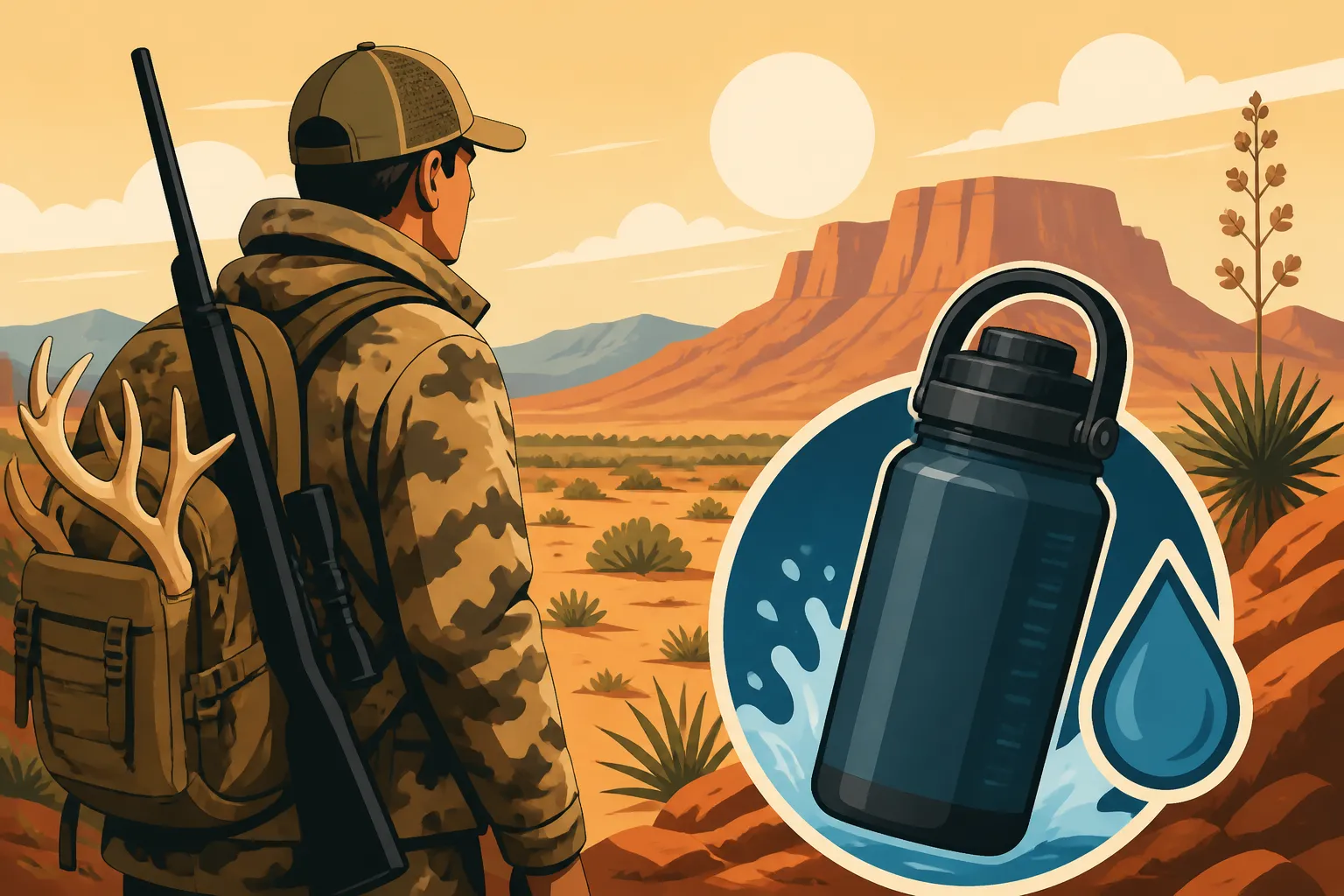
Water bottles, such as durable Nalgene bottles or insulated stainless steel options from Hydro Flask or Stanley, are another popular choice. They’re usually very durable, easy to clean, and you can instantly see your water level. Insulated bottles are a godsend in the desert, keeping your water refreshingly cool even in scorching temperatures, which can be a huge morale booster. The downside is that they can be bulkier, and you have to stop and reach for them every time you want a drink, which can be annoying if you're trying to move stealthily. Often, a combination of both works best: a bladder for your main supply and an insulated bottle for quick access to cold water or for mixing in supplements.
Speaking of supplements, don't underestimate the power of electrolyte mixes. In the desert, you're not just losing water; you're losing vital salts that your body needs to function. Products like Liquid IV, Nuun, or even a simple packet of Gatorade powder can replenish these electrolytes, helping prevent cramps, fatigue, and the general "run-down" feeling that comes with heavy sweating. I always pack a few of these, especially for longer days or if I know I'll be exerting myself heavily. They can make a noticeable difference in how you feel and perform throughout the day.
And please, always, always carry a backup emergency water supply that’s separate from your main source. This could be a small, durable bottle tucked away in a side pocket or even a few sealed water pouches. It's your absolute last resort if your primary system fails or you find yourself in an unexpected bind.
Finally, for those unexpected discoveries of water – perhaps a small seep in a canyon bottom or a forgotten stock tank – a water purification system is invaluable. Compact filters like the Sawyer Squeeze or Katadyn BeFree are lightweight and can quickly turn questionable water into drinkable water. Purification tablets, like AquaMira, are another great lightweight backup, though they take longer to work. While you shouldn’t plan to rely on finding water, having the ability to purify it if you do stumble upon a source in New Mexico's Dry Country can be a game-changer. Just remember to always verify land ownership, perhaps using a tool like GoHunt or onX, to ensure you're not trespassing to access a water source on private land. Reading a Land Ownership Layer Correctly is vital to avoid issues.
| Feature | Hydration Bladder | Water Bottle (Nalgene-style) |
|---|---|---|
| Capacity | Typically 2-3+ liters | Often 1-2 liters; multiple bottles for higher capacity |
| Accessibility | Hands-free sipping via hose | Requires stopping and reaching for bottle |
| Weight Distribution | Sits flat against back, good balance | Can be bulky, uneven weight if not balanced |
| Durability | Susceptible to punctures if not protected | Very durable, impact resistant (Nalgene) |
| Cleaning | Can be tricky to clean and dry thoroughly | Easy to clean, wide mouth |
| Temperature Control | Insulated sleeves available, but less common | Insulated bottles (Hydro Flask) excellent for temperature |
| Visual Gauge | Hard to see how much is left | Easy to visually check remaining water |
| Refilling | Can be awkward to refill, especially large ones | Simple to refill |
Integrating Water into Your Overall Desert Hunt Plan
Hydration isn't just about carrying enough water; it's a fundamental part of your entire hunt strategy, especially in the challenging environment of New Mexico's deserts. Before you even set foot in the field, a significant portion of your planning should revolve around water.
First, pre-hydrating is crucial. Don't wait until you're in the field to start drinking water. Begin hydrating heavily the day before your hunt. This means consuming plenty of water, not sugary drinks or excessive caffeine. Starting your day hunt already slightly dehydrated puts you at a disadvantage that’s tough to overcome. Many seasoned hunters will start drinking a liter or more of water before they even leave camp in the morning, making sure their body is well-fueled before any exertion.
When you're E-Scouting a New Mexico Unit Before the Season, always be on the lookout for potential water sources, even if you don't plan to rely on them. These could be natural springs, seeps, or man-made stock tanks. While you should never count on these for your primary water supply (they can be dry, contaminated, or on private land), knowing their locations can be a critical emergency backup or a place to refill if you have purification equipment. Using the robust mapping tools from GoHunt, I meticulously mark every potential water source I can find on satellite imagery. Even a faint green line in a wash can indicate moisture.
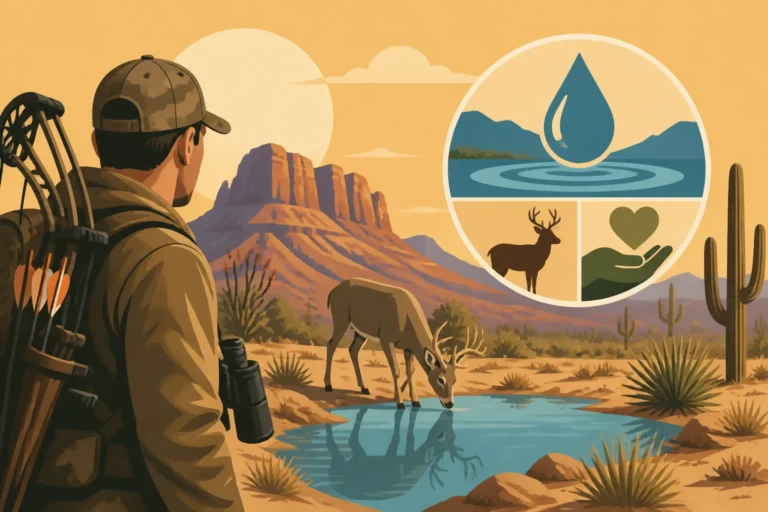
It’s also important to understand the ethics and legality around water sources in the desert. Water Sources and Ethics in Desert Hunting dictates that you should respect wildlife’s access to these precious resources. Don’t camp right on top of a water source or contaminate it. Be aware of private land boundaries; a stock tank might look public, but it could be on private ground, requiring landowner permission to access.
Finally, have a solid emergency plan. What happens if you run out of water far from your vehicle? First, stop and assess your situation. Conserve any remaining water, find shade immediately, and try to make yourself visible. A signaling mirror or whistle can be invaluable. Always tell someone your hunt plan and expected return time. This kind of preparation, much like Preparing Physically for a High Elevation Hunt even if you're hunting in the low desert, is about building resilience and safety into every aspect of your trip. The desert can be beautiful and bountiful for hunting, but it demands respect and thorough preparation. Understanding How Drought Affects Desert Deer Numbers can also give you insight into where deer might concentrate around the remaining water sources, emphasizing their importance even further.
Disclaimer: Hunting is an inherently dangerous activity. The information provided in this guide is for informational purposes only and should not replace professional advice, proper training, or official regulations from the New Mexico Department of Game and Fish. Always prioritize safety, carry appropriate gear, and understand the risks involved.