Hunting New Mexico From 4,000 Feet to 10,000
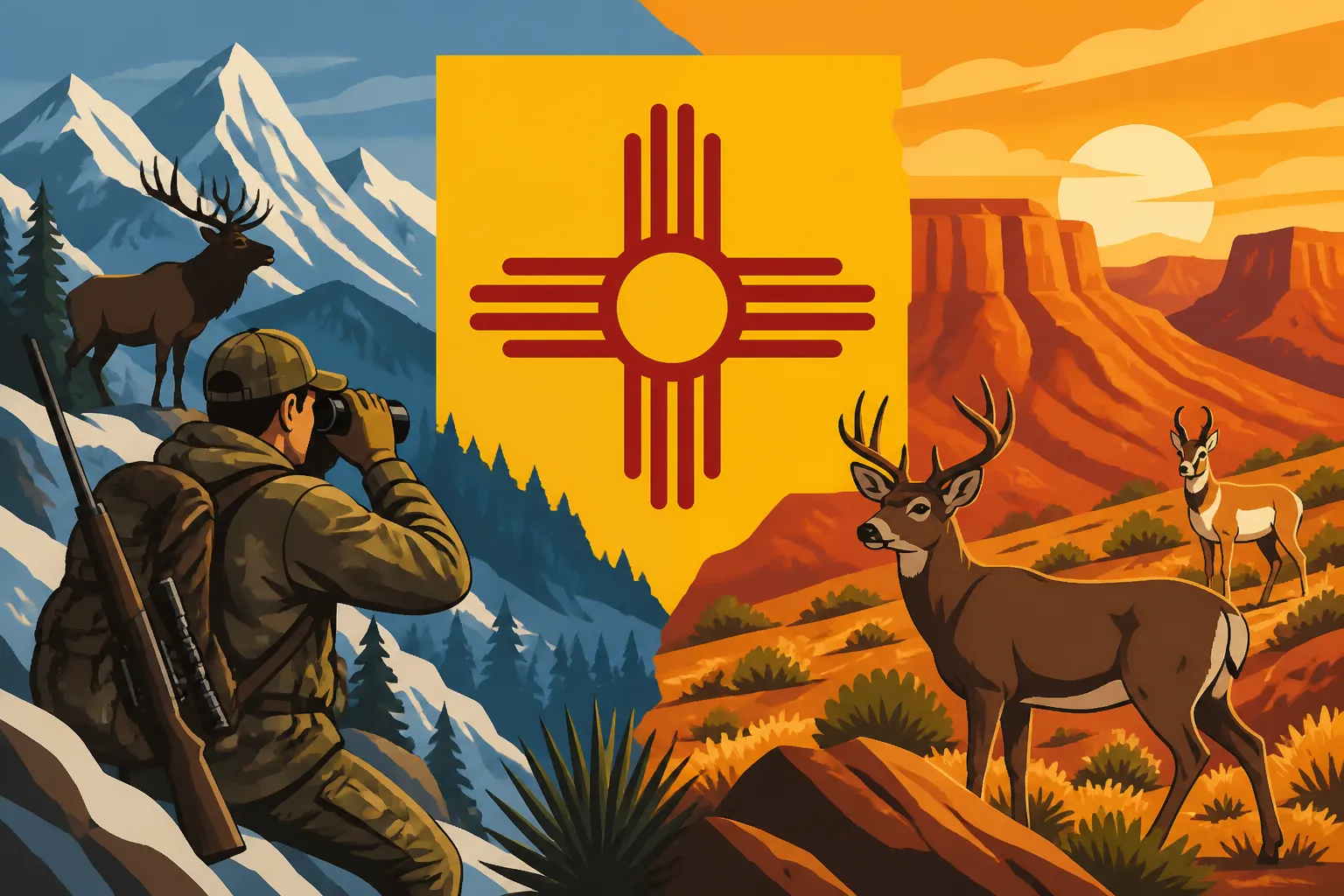
New Mexico is a land of incredible contrasts, a place where you can find yourself glassing a vast desert basin for an oryx at 4,500 feet one season and then be chest-deep in snow chasing elk in spruce-fir timber at 9,000 feet the next. This dramatic shift in elevation, from the sprawling Chihuahuan Desert to the towering peaks of the Sangre de Cristo Mountains, presents a unique set of challenges and opportunities for hunters. This guide will take a deep dive into what it truly means to hunt New Mexico across its diverse elevation bands, from the scorching lowlands to the thin air of the high country, helping you prepare for every scenario this stunning state can throw at you.
Understanding New Mexico's Vast Elevation Changes
New Mexico isn't just mountains or just desert; it's a tapestry woven from both, creating a truly unique environment for big game. The key to successful hunting here often lies in understanding how these elevation changes dictate everything from vegetation and water sources to animal behavior and even the air you breathe. Each elevation band demands a distinct approach, and knowing what to expect is half the battle won.
The Desert Floor: 4,000-5,000 Feet
When we talk about the desert floor in New Mexico, we're picturing those vast, open landscapes in the southern and eastern parts of the state, typically ranging from around 4,000 to 5,000 feet above sea level. Think of areas like the plains around Lordsburg or the southern reaches of the Rio Grande corridor. This isn't just barren sand; it's a harsh, yet incredibly vibrant ecosystem of creosote bush, mesquite, yucca, and sparse grasses. The challenges here are obvious: immense heat, especially during early seasons like the September archery hunts, and a scarcity of reliable water sources. The terrain can be surprisingly broken, with washes, arroyos, and low hills that offer some cover, but overall, it's a game of long distances and even longer views.
This elevation band is prime habitat for some truly unique New Mexico big game. Here you'll find healthy populations of pronghorn, often dotting the vast grasslands of the eastern plains. Oryx, an African import, thrive in the wide-open spaces of the White Sands Missile Range and surrounding areas, offering a truly once-in-a-lifetime hunt. You might also encounter desert mule deer in the more rugged, low-lying mountains and hills, particularly in the southwest. For bird hunters, this is where you chase scaled quail and Gambel's quail, often found near those precious water holes.
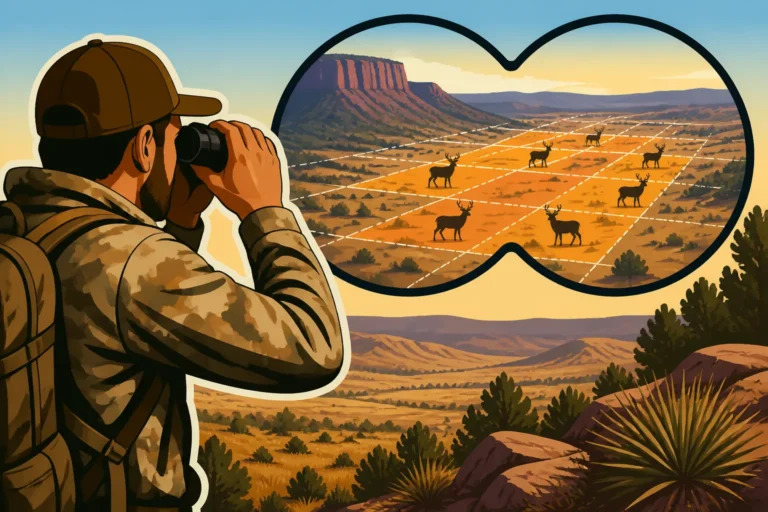
Strategies for hunting down here are heavily influenced by the open nature of the country. Glassing is paramount; you'll spend hours behind your binoculars or spotting scope, systematically searching vast areas for movement or the tell-tale shape of an animal. Spot and stalk becomes the primary tactic once an animal is located, often involving long, patient approaches across exposed ground, using every subtle fold in the terrain to your advantage. Finding and monitoring water sources and ethics in desert hunting becomes absolutely critical, as these oases are magnets for game, especially during dry periods. You’ll need to carry plenty of water for yourself, too, as dehydration is a real danger in this environment.
The Pinyon-Juniper Foothills: 5,000-7,000 Feet
As you gain elevation from the desert floor, you transition into the pinyon-juniper foothills, a common landscape feature across much of central and western New Mexico. This zone, typically between 5,000 and 7,000 feet, is characterized by its namesake trees: dense stands of pinyon pine and juniper, often interspersed with oaks, mountain mahogany, and various grasses. The terrain here becomes significantly more broken and rugged than the desert, featuring canyons, mesas, and steep, rocky draws. This transition offers more cover, but also presents new challenges in terms of visibility and navigation.
This is a fantastic and diverse habitat that holds a wide array of game animals. You'll find mule deer throughout these foothills, often using the thick cover for bedding and thermal protection. Elk, particularly during early seasons or in lower-elevation units, will also frequent these areas, moving between the pinyon-juniper and higher elevations as seasons progress and forage changes. Black bear and cougar also call these foothills home, especially where there's good cover and a reliable food source like acorns or deer. In some of the more rugged, mountainous units in the south, you might even find Coues deer in the denser brush of these transitional zones, showcasing their ability to disappear into seemingly sparse cover. Barbary sheep also thrive in the steep, rocky terrain of the pinyon-juniper canyons.
Hunting strategies in the pinyon-juniper demand a mix of skills. Still hunting through the dense timber can be highly effective, moving slowly and deliberately, constantly scanning for a deer or elk ghosting through the trees. Calling, especially for elk, can work well in these areas, as the sounds carry through the broken terrain, and animals often hold tight in the cover. Glassing is still a valuable tool, but instead of wide-open plains, you'll be focusing on glassing benches and parks for elk, picking apart draws and canyon rims, searching for the flick of an ear or a patch of hide. The cover makes stalking easier in some ways, but also means you might bump animals before you even see them. It's a zone that requires patience and an intimate knowledge of animal movement patterns within dense cover.
The High Country Forests: 7,000-10,000+ Feet
Ascending further, you enter the majestic high country forests of New Mexico, typically from 7,000 feet and extending beyond 10,000 feet. This includes the vast ponderosa pine forests that carpet the Gila National Forest and units in the north, transitioning to mixed conifer, aspen groves, and eventually spruce-fir forests at the highest elevations. The air thins here, the temperatures drop significantly, and weather can change in an instant, bringing anything from summer thunderstorms to early snowfalls. The terrain is often steep, rugged, and demanding, with deep canyons, expansive mesas, and high alpine meadows. These are the iconic landscapes of the Rocky Mountains, and they provide some of the most challenging yet rewarding hunting experiences in the state.
This is prime elk country, particularly during the rut when bugling bulls through New Mexico's mid-September rut dominate the soundscape. Mature mule deer bucks also seek refuge in these high-elevation sanctuaries, especially in wilderness areas where pressure is lighter. Rocky Mountain bighorn sheep inhabit the most rugged, remote peaks of the northern ranges, a truly aspirational hunt for many. Black bears are common throughout these forests, often found feasting on berries or scavenging. Merriam's turkey also makes its home in the ponderosa parks, providing an exciting spring or fall hunt.
Hunting in the high country requires a serious commitment to physical fitness and mental toughness. Altitude preparation for a Gila elk hunt is non-negotiable, as the thin air will test your limits. Strategies include aggressive calling for elk during the rut, often involving two-hunter calling setups that actually work, where one caller draws attention while the other maneuvers for a shot. Still hunting through the thick timber is effective for mule deer, especially after a fresh snow, as you can read fresh elk sign in ponderosa timber and follow tracks. Glassing is still key, especially during non-rut seasons, focusing on the edges of meadows, clearings, and south-facing slopes. When you do down an animal here, remember that packing an elk out of the Gila alone or with a partner is a monumental task, demanding proper gear, strength, and careful planning for meat care in remote conditions.
Preparing for the Physical Demands of New Mexico's Elevations
Hunting in New Mexico, especially when you consider the dramatic elevation changes, isn't just a mental game; it's a full-body workout. From the scorching lowlands to the breathless peaks, your physical preparedness can make or break your hunt. Ignoring this aspect is a recipe for misery, potential injury, and certainly a missed opportunity. You really need to commit to preparing physically for a high elevation hunt.
Acclimatization and Altitude Sickness Prevention
One of the biggest hurdles when hunting in New Mexico's higher elevations, particularly above 7,000 feet, is dealing with the thinner air. Altitude sickness, or Acute Mountain Sickness (AMS), is a very real concern and can turn a dream hunt into a nightmare. Symptoms can range from headaches, nausea, and fatigue to more severe, life-threatening conditions like High Altitude Pulmonary Edema (HAPE) or High Altitude Cerebral Edema (HACE). It’s not about how fit you are; even elite athletes can suffer.
The best defense is a good offense, starting with gradual acclimatization. If possible, try to arrive at your hunting destination a day or two early, allowing your body to adjust to the elevation before you hit the trails hard. For example, if you're planning a hunt in the Gila National Forest, consider staying in a town like Reserve or Silver City (which are at moderate elevations) for a day before heading deeper into the mountains. Staying well-hydrated is absolutely critical. Drink plenty of water throughout the day, starting days before your hunt. Avoid alcohol and excessive caffeine, as both can contribute to dehydration. Some hunters consult their doctors about prescription medications like Diamox, which can help prevent and treat AMS, but this is a personal choice and should always be made with medical advice. Listen to your body; if you start feeling unwell, descend to a lower elevation if possible and rest. Pushing through severe symptoms can be incredibly dangerous.
Gear for Shifting Climates and Rugged Terrain
The sheer diversity of New Mexico's elevations means you're going to encounter a wild range of temperatures and weather conditions, often within a single day. You might start your morning in the Gila with frost on your tent, strip down to a t-shirt while climbing a steep ridge by midday, and then be scrambling to put on rain gear as an afternoon thunderstorm rolls in. This necessitates a strategic approach to your gear, especially your clothing and footwear.
Layering for Gila temperature swings is crucial. Forget bulky, single-purpose garments. Instead, pack a system of base layers (moisture-wicking), mid-layers (insulating), and an outer shell (waterproof and windproof). This allows you to add or shed layers as conditions change, regulating your body temperature and preventing excessive sweating or chilling. For footwear, choosing boots for rocky desert ground as well as high-country steepness is essential. You'll want durable, supportive boots with excellent ankle support and aggressive tread. For desert hunts, breathable, lighter-weight boots might be preferred, while in the high country, a stiffer, waterproof boot is often necessary. Don't forget a reliable, comfortable backpack that can handle the weight of your gear, water, and potentially game meat. A quality navigation system, whether a standalone GPS or a robust mapping app like those from GoHunt on your phone, is also non-negotiable for staying found in remote, trackless country.
Nutrition and Hydration Strategies for High-Exertion Hunts
Your body is a furnace on these hunts, and it needs constant fueling to perform. Skipping meals or relying on sugary snacks will leave you drained and mentally foggy, especially when you're exerting yourself at altitude. Planning your nutrition and hydration is just as important as planning your routes.
Focus on calorie-dense, nutritious foods that are easy to pack and prepare. Think about items like trail mix, jerky, energy bars, dried fruit, and freeze-dried meals for longer trips. Electrolyte supplements, either in powder or tablet form, are invaluable for replacing the salts you lose through sweat, particularly in hot desert environments or during intense climbs. And again, hydration cannot be overstressed. For example, water you must carry on a desert day hunt might seem excessive, but it's often the minimum needed. You should always aim to carry more than you think you'll need. In areas with natural water sources, a reliable water filter or purification tablets are a must. This allows you to refill your bottles or hydration bladder without carrying all your water from camp, significantly reducing your pack weight. Proper fueling and hydration will keep your energy levels high, your mind sharp, and your body able to tackle the arduous demands of New Mexico's diverse hunting grounds.
Species-Specific Strategies Across Elevation Bands
New Mexico’s varied terrain means that the animals you’ll pursue, and thus the tactics you’ll employ, will change dramatically with elevation. What works for a Coues deer in the desert will likely send an elk scrambling in the high timber. Understanding these nuances is key to filling your tag.
Chasing Desert Mule Deer and Oryx
When you drop into the lower elevations, typically below 6,000 feet, you're entering the domain of the desert mule deer and the magnificent oryx. These animals thrive in the vast, open, and often scorching landscapes of southern and central New Mexico. The common thread here is the need for exceptional glassing skills and the ability to execute long-range spot and stalk tactics.
For desert mule deer, the strategy is often built around patiently glassing expansive areas, picking apart distant hillsides, washes, and the fringes of mesquite or creosote thickets. These deer are often lighter in color and blend incredibly well into their surroundings. Once spotted, a successful approach means using every contour, every scrub brush, and every shadow to close the distance. This often involves crawling, low-crawling, and using wind direction to your absolute advantage. The shot opportunities can be long, so being proficient with your rifle at extended ranges is essential. Similarly, for oryx, particularly on the White Sands Missile Range or during off-range hunts, you'll be covering enormous amounts of ground with your optics. An understanding of how oryx were introduced to New Mexico helps appreciate their resilience in this harsh environment. They are constantly on the move, and their white coats can make them visible but also allow them to disappear against gypsum dunes. Their keen eyesight demands even more meticulous stalking. The typical shot for an oryx can be 300-500 yards, so practice, practice, practice at those distances.
Calling Elk in High-Country Timber
Shift your focus upward to the 7,000-10,000+ foot elevation bands, and you're squarely in prime elk habitat. Here, the dense ponderosa pines, mixed conifers, and aspen groves create a different hunting puzzle. While glassing still plays a role, especially in open parks and meadows, calling becomes an incredibly potent weapon, particularly during the archery seasons in September. Understanding bugle timing through New Mexico's rut is paramount; knowing when bulls are most vocal and responsive will significantly increase your odds.
Successful elk calling in this timbered country often revolves around locator bugles at dawn to pinpoint bulls, followed by strategic setups. For an aggressive bull, an excited cow call or a challenge bugle might pull him in. For more pressured Gila bulls, softer cow calls or glunking sounds can be more effective, mimicking a herd moving through. Reading fresh elk sign in ponderosa timber—tracks, rubs, wallows—gives you clues as to their recent movements and where to set up. A two-hunter calling setup can be incredibly effective, with one hunter calling from a distance to draw the bull's attention while the other positions for a shot. Always be mindful of the wind in these dense timbered areas, as thermals can swirl unexpectedly, especially in deep canyons. Getting as close as a bowhunter needs to get on elk requires absolute stealth and an understanding of the timber’s acoustics.
Spotting Barbary Sheep and Ibex on Rimrock
For those seeking truly unique and physically demanding hunts, New Mexico offers Barbary sheep (Aoudad) and Persian Ibex. These animals inhabit the most rugged, vertical terrain, typically found in the 5,000 to 8,000-foot elevation range for Barbary sheep, and specifically the Florida Mountains for Ibex. These hunts are less about calling and more about precision optics, extreme patience, and an almost mountaineering-level of physical conditioning.
Barbary sheep, originally from North Africa, have established thriving populations in the remote, canyon-riddled country of New Mexico. Finding them involves endless hours behind a spotting scope, systematically picking apart cliffs, rimrocks, and steep, brushy slopes. They blend surprisingly well into the tan and red rock. Once spotted, the stalk is often a brutal affair, involving scrambling up and down incredibly steep terrain, navigating loose rock, and maintaining absolute silence. Getting into shooting position requires patience and careful planning, as they have incredible eyesight and can vanish in an instant. Similarly, where Ibex hunting happens in New Mexico is limited to the incredibly steep and rocky Florida Mountains, southwest of Deming. These animals are masters of vertical movement, and a successful hunt will involve high-powered optics, an acute understanding of their habits, and the physical fortitude to pursue them in their vertical world. These are not hunts for the faint of heart or the unprepared.
Navigating Public Lands and Access Challenges
Hunting New Mexico across its varied elevations means navigating a complex mosaic of public and private lands. Unlike some other western states, New Mexico has significant amounts of non-federal public land, alongside vast tracts of National Forests and BLM. Understanding these distinctions and how to legally access them is as crucial as knowing your species and elevation strategies.
Understanding New Mexico's Diverse Public Land Types
New Mexico offers an impressive amount of public hunting opportunities, encompassing roughly 30 million acres. However, not all public land is created equal in terms of access rules and typical terrain. The two major federal landowners are the Bureau of Land Management (BLM) and the U.S. Forest Service (USFS), which manages the state's national forests.
BLM ground often provides some of the most accessible and open hunting areas, particularly in the lower desert and foothill elevations. You'll find vast stretches of BLM across the eastern plains, southern deserts, and central basins. These areas are excellent for pronghorn, desert mule deer, and oryx in their respective zones. National Forests, like the Gila, Cibola, Santa Fe, and Carson, dominate the higher elevations. These are prime elk and high-country mule deer habitats, often characterized by rugged mountains, dense timber, and remote wilderness areas like the Gila Wilderness and the Aldo Leopold Wilderness. Beyond federal lands, New Mexico also has a significant amount of State Trust Land. The good news for hunters is that a New Mexico hunting license is your state trust land easement. This means your valid hunting license grants you access to these lands for hunting, subject to specific rules and regulations. Knowing how to identify these different land types on a map is vital for ethical and legal hunting.
The Importance of Topographic Maps and GPS
In New Mexico's expansive and often remote landscapes, navigating without reliable tools is not just risky, it's irresponsible. Whether you're in the rolling sagebrush of BLM ground or the thick timber of the Gila, a detailed topographic map and a GPS device (or a smartphone app with GPS capabilities) are non-negotiable pieces of gear.
Tools like the GoHunt app are invaluable for e-scouting a New Mexico unit before the season. They allow you to study terrain features, identify potential game hot spots, mark water sources, and most critically, clearly delineate land ownership boundaries. This is especially important because written permission is required to cross private New Mexico ground, even if it's just to get to public land. Modern mapping applications allow you to download offline maps, which is essential since cell service is often nonexistent in remote hunting areas. Understanding how to read a land ownership layer correctly can prevent accidental trespassing and ensure you stay on legal hunting ground. Always carry a physical map and compass as a backup, and know how to use them, especially when in deep timber or broken country where GPS signals can be spotty.
Planning for Remote Backcountry Access
Hunting some of New Mexico's premier high-country units, particularly within the vast wilderness areas, often means committing to a full-on backcountry experience. This isn't a place for day trips from your truck; it requires meticulous planning for multi-day excursions deep into the wild.
Access into areas like the Gila Wilderness or the Aldo Leopold Wilderness typically means utilizing designated trailheads that open the Gila Wilderness or other remote access points. From there, it's all foot power, or for those who plan ahead, horseback and pack string outfitters can be an absolute game-changer. If you plan on packing an elk out of the Gila alone, or even with a partner, you need to be prepared for an arduous, multi-day endeavor. This means having a robust frame pack, game bags, and the knowledge of how to efficiently quarter and de-bone an animal in the field. Remember, motorized travel rules on New Mexico public land are strict, especially in designated wilderness areas where vehicles are prohibited. Always check for seasonal road closures across National Forests before you head out, as heavy snow or monsoonal rains can render roads impassable, blocking access to your intended hunting grounds.
Overcoming Environmental Obstacles
Beyond the challenges of elevation itself, New Mexico's environment throws a range of specific obstacles at hunters. From relentless heat to scarce water and potentially dangerous wildlife, being prepared for these elements is critical for safety and success.
Managing Extreme Temperatures and Weather Swings
New Mexico’s climate is notorious for its extremes and rapid shifts. Early season hunts in the desert or even the lower foothills can be brutally hot. Managing heat on an early season hunt isn't just about comfort; it's about survival. Dehydration and heat stroke are serious risks. This means wearing light-colored, breathable clothing, drinking copious amounts of water, and planning your hunting activities for cooler parts of the day, such as early mornings and late evenings. Midday rests in the shade are not a luxury but a necessity.
Conversely, as you gain elevation, especially in the northern units, temperatures can plummet, even in early fall. A sunny, warm morning can quickly turn into a freezing, sleeting afternoon, or even a sudden snowstorm in the high country. Layered clothing is your best friend here, allowing you to adapt to changing conditions. Always pack waterproof outer layers, even if the forecast looks clear. Wind can be a huge factor, especially on exposed ridges, making a simple wind shirt or jacket invaluable. The sun is also intense at higher elevations; don't forget hats, sunglasses, and sunscreen. Being caught unprepared for a sudden cold front or a monsoon downpour can quickly lead to hypothermia or other dangerous situations.
Finding and Managing Water Sources
Water, or the lack thereof, is often the single most limiting factor for both wildlife and hunters in New Mexico. This is especially true in the vast desert and semi-arid regions. Animals are drawn to any available water, making these spots critical to identify and utilize.
Finding water in New Mexico's dry country requires extensive e-scouting before your hunt. Look for topographical features that indicate water flow, such as washes or drainages. Identify known water holes, stock tanks, and guzzlers on maps. While hunting over a stock tank legally is permitted, understand that these water sources are often vital for multiple species and ethical considerations apply. Always bring a reliable water filter or purification tablets, even if you plan to pack in all your water. This provides a crucial backup in case you misjudge your needs or get delayed. Beyond animal behavior, carrying adequate water for yourself and having a plan for refilling is non-negotiable. For a multi-day backcountry hunt, a detailed water strategy is as important as your hunting strategy.
Dealing with Wildlife Encounters and Safety
New Mexico is wild country, and encountering its diverse wildlife is part of the experience. While most interactions are benign, being aware of potential dangers and knowing how to react is vital for your safety.
Rattlesnakes are a common concern, particularly during early archery season and in the lower elevations. Being aware of your surroundings, watching where you step, and wearing appropriate footwear can mitigate risks. A snake awareness on a September archery hunt is critical; listen for rattles and give them a wide berth. Black bears and mountain lions are present throughout the state, especially in timbered areas. While attacks are rare, carrying bear spray, making noise while hiking, and knowing how to respond to an encounter are good safety practices. Never approach a bear cub. Beyond predators, always be mindful of other hunters. Legal shooting hours and blaze orange in New Mexico are in place for safety, and following these rules is paramount. Always positively identify your target and what's beyond it. Carrying a well-stocked first-aid kit and knowing basic wilderness first aid can turn a minor incident into a manageable one and prevent a small problem from becoming a major emergency.
Essential Gear for Multi-Elevation Hunting
Navigating New Mexico's diverse elevations, from its sun-baked deserts to its snow-capped peaks, demands a gear list that is both versatile and robust. Investing in the right tools can significantly enhance your comfort, safety, and ultimately, your hunting success. Don't skimp on the essentials, as gear failures in remote country can quickly turn a memorable hunt into a miserable ordeal.
Optics for Varied Terrain
In a state like New Mexico, where hunting often involves vast, open vistas in the desert and expansive glassing benches in the high country, your optics are arguably your most important pieces of gear after your weapon. They are your eyes in the field, helping you locate game that would otherwise remain hidden.
For general use, a good pair of binoculars is indispensable. A 10×42 or 10×50 binocular size that survives an all-day session is a fantastic all-around choice, offering a wide field of view and enough magnification for most situations. However, when you're picking apart distant mountainsides for mule deer or trying to judge a Coues buck in southern New Mexico, a spotting scope becomes essential. A high-quality spotting scope power for open country, often in the 60-80mm objective range with 20-60x magnification, will allow you to see details that binoculars simply can't resolve. Don't forget a sturdy tripod setup for glassing from a ridge; trying to hold a spotting scope steady freehand is an exercise in futility. A laser rangefinder is also a non-negotiable item, providing precise distance measurements, which is critical for making ethical shots across varied terrain, especially with the elevation changes affecting bullet trajectory.
Footwear and Clothing for Every Condition
As discussed earlier, New Mexico's climate swings demand a strategic approach to what you wear. You need clothing and footwear that can handle extreme heat, bitter cold, sudden downpours, and everything in between.
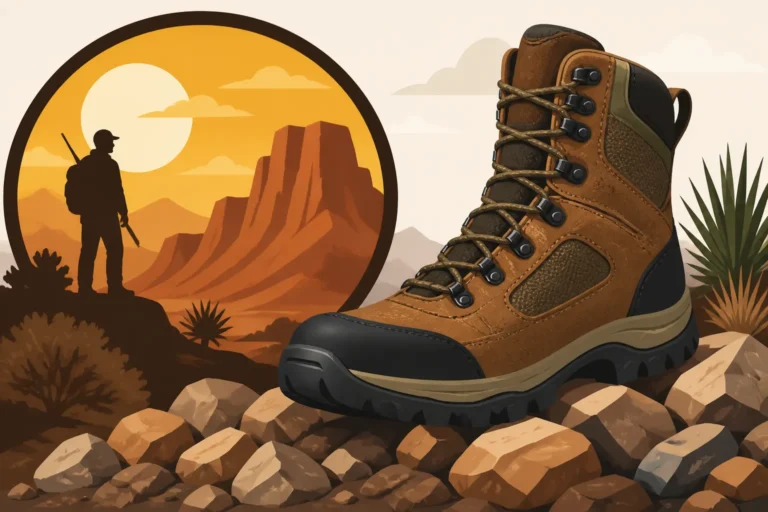
Your boots are your foundation, and choosing boots for rocky desert ground is different from choosing them for high-elevation timber. For the lower desert units, look for breathable, lightweight, yet durable boots with good ankle support to navigate rocky, uneven terrain and avoid snake bites. For the high country, you’ll need a more robust, waterproof boot with excellent traction for steep climbs and potentially snowy or muddy conditions. Always break in new boots well before your hunt! For clothing, the layering for Gila temperature swings approach is key. Start with moisture-wicking synthetic or merino wool base layers to manage sweat. Add an insulating mid-layer (fleece or puffy jacket) for warmth, and top it off with a waterproof and windproof outer shell. Bring a spare set of socks and base layers; nothing is worse than wet feet or cold, damp clothes. A wide-brimmed hat for sun protection in the desert and a warm beanie for cold mornings in the mountains will also serve you well.
Navigation and Communication Tools
Getting lost in New Mexico's vast public lands can be a dangerous situation, and reliable communication can be a literal lifesaver. Never venture into remote areas without a solid plan for both.
A dedicated GPS unit or a robust smartphone app like those from GoHunt, loaded with detailed topographic maps and land ownership layers, is essential. Understand how to use it proficiently before you ever set foot in the field. Mark your vehicle, camp, and any important waypoints. As a critical backup, always carry a physical map of your unit and a compass, and know how to navigate with them. GPS batteries can die, and electronics can fail. For communication, especially in areas with no cell service (which is most of New Mexico's backcountry), a satellite communication device like a Garmin inReach or Zoleo is a wise investment. These devices allow you to send and receive texts, check weather forecasts, and, most importantly, send an SOS signal in an emergency. Remember that two-way radio use between hunting partners can be very helpful for staying coordinated over shorter distances, but they won't work across vast canyons or beyond line-of-sight. Your safety, and potentially the safety of your hunting partners, depends on these tools.
Comparing New Mexico's Elevation Bands for Hunting
| Elevation Band (Approx.) | Typical Habitat | Primary Big Game Species | Key Hunting Challenges | Recommended Strategies |
|---|---|---|---|---|
| 4,000 – 5,000 ft. | Chihuahuan Desert, creosote, mesquite, yucca, grasslands, sparse water. | Oryx, Desert Mule Deer, Pronghorn, Coues Deer (lower end). | Extreme heat, lack of cover, vast open terrain, limited water. | Extensive glassing (high-power binoculars, spotting scope), long-range spot & stalk, targeting water sources, early/late day hunting. |
| 5,000 – 7,000 ft. | Pinyon-juniper woodlands, oak brush, rocky canyons, mesas, broken terrain. | Mule Deer, Elk (lower units), Black Bear, Barbary Sheep, Coues Deer. | Dense cover limits visibility, rugged and broken terrain, unpredictable thermals. | Still hunting, strategic calling (elk), glassing draws and canyon rims, careful stalking, reading wind. |
| 7,000 – 10,000+ ft. | Ponderosa pine, mixed conifer, aspen groves, spruce-fir, steep mountains, wilderness areas. | Elk, Mule Deer, Black Bear, Merriam's Turkey, Rocky Mountain Bighorn. | High altitude, extreme weather swings, steep climbs, dense timber, physically demanding pack-outs. | Aggressive elk calling (rut), tracking in snow, glassing meadows/parks, physical conditioning, sturdy gear, altitude acclimatization. |
Disclaimer
Hunting is an inherently dangerous activity. The information provided in this guide is for informational purposes only and should not be taken as legal advice or a substitute for personal research and adherence to all New Mexico Department of Game and Fish regulations. Always prioritize safety, responsible hunting practices, and respect for wildlife and the environment. Consult official New Mexico hunting proclamations and maps for the most accurate and up-to-date information before planning any hunt.